If you want a detached home in North County without jumping to some of the higher price points around the St. Louis area, Florissant deserves a close look. For many buyers, the question is not just whether a home is affordable, but whether the space, condition, and monthly cost actually make sense for day-to-day life. This guide breaks down what starter homes in Florissant usually look like, how they compare with St. Louis City and St. Louis County, and what you should watch before you make an offer. Let’s dive in.
What Florissant starter homes look like
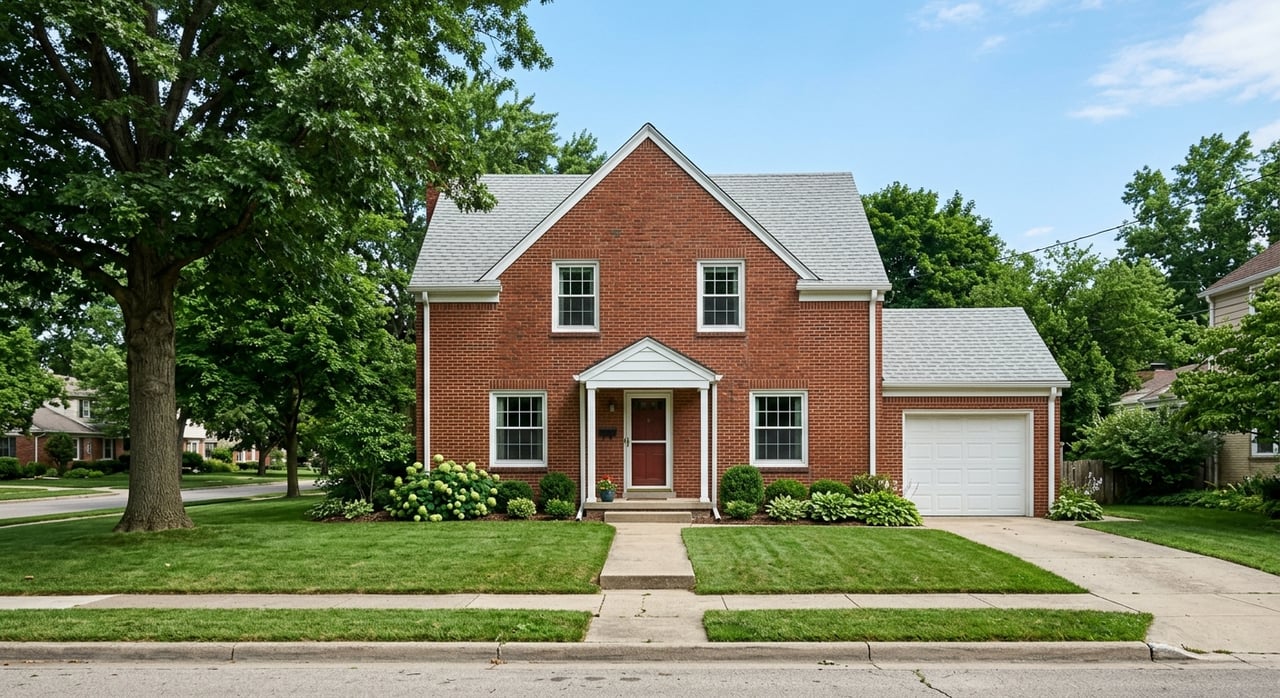
Florissant is best understood as a postwar single-family suburb. According to the city’s comprehensive plan, most developable residential land was built during the housing boom after World War II, and limited vacant land now constrains new development. In simple terms, that means many buyers are shopping older homes rather than brand-new construction.
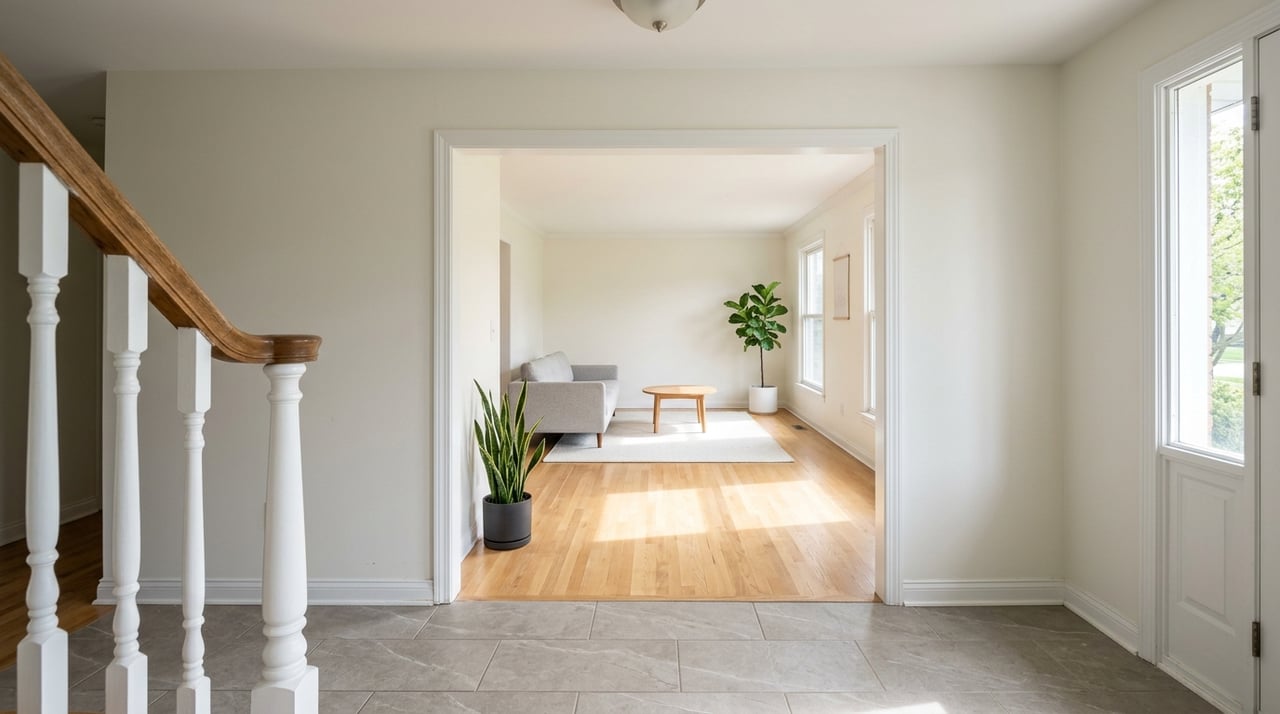
In the current market, ranch-style and two-story homes are among the most visible housing styles in Florissant. Listings and home trend data commonly mention finished or partially finished basements, fenced back yards, large back yards, and detached garages. If you are looking for a classic detached-home setup with outdoor space, Florissant often fits that picture.
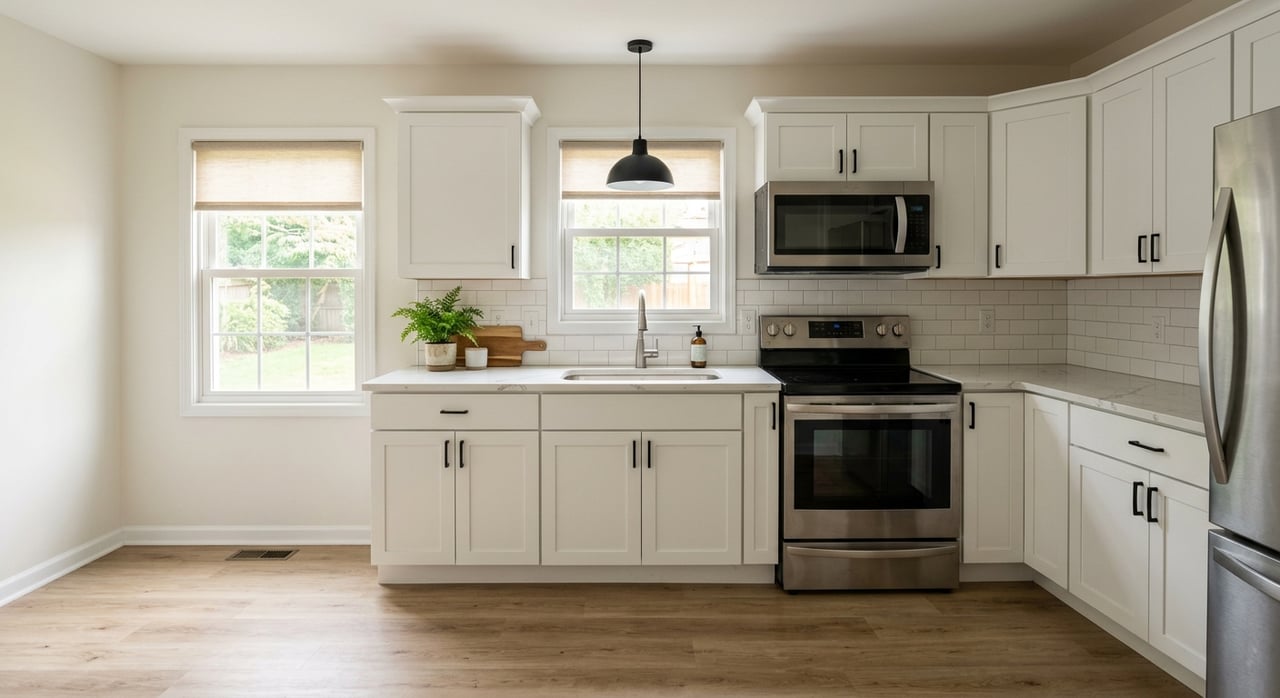
That older-housing profile matters when you compare homes. In Florissant, a smaller house with smart updates and usable basement space may compete well against a larger home that needs major work. For many starter-home buyers here, condition matters just as much as square footage.
How much home you may get
Recent Florissant-area sales help show the entry-level range buyers may see. Examples include homes around 936 square feet at $115,500, 1,040 square feet at $200,000, and 2,001 square feet at $250,000. That spread shows why it is important to compare value based on layout, updates, and overall livability, not just size alone.
Census QuickFacts adds more context. Florissant’s median owner-occupied home value is $148,800, with a median monthly owner cost with a mortgage of $1,235. The city also has a 67.1% owner-occupied housing rate, which points to a market with a strong homeownership presence.
For many first-time or early-stage buyers, those numbers make Florissant a practical place to start the search. You may be able to find a detached home with a yard and basement space at a lower cost than in many other nearby parts of the metro. That does not mean every home is a bargain, but it does mean Florissant often stays in the conversation when value matters.
How Florissant stacks up locally
When you compare Florissant with the broader St. Louis market, the affordability gap becomes clearer. In March 2026, Florissant’s median sale price was $176,000, and homes averaged 31 days on market. Realtor.com also showed 470 homes for sale with a median list price of $201,000 and a median of $145 per square foot.
By comparison, St. Louis City had a median sale price of $240,000 and 31 days on market, while St. Louis County came in at a $275,000 median sale price and 26 days on market. On price alone, Florissant generally gives buyers a lower entry point than both the city and the county overall.
The Census data tells a similar story. Florissant’s median owner-occupied home value of $148,800 is below St. Louis City at $197,500 and well below St. Louis County at $276,800. Median monthly owner cost with a mortgage is also lower in Florissant at $1,235, compared with $1,487 in St. Louis City and $1,753 in St. Louis County.
That does not mean Florissant wins every comparison for every buyer. It means the city often offers a more budget-friendly path into homeownership, especially if you want a detached house rather than a denser urban layout. For buyers balancing price, space, and monthly costs, that is a strong starting point.
What you trade for that lower price
Lower purchase prices usually come with trade-offs, and Florissant is no exception. One of the biggest is housing age. The city’s comprehensive plan specifically notes that the housing stock is aging, which means buyers should expect to evaluate maintenance history and system updates more closely than they might in a newer suburb.
Commute is another factor. Florissant’s mean commute time is 25.8 minutes, compared with 22.1 minutes in St. Louis City and 23.1 minutes in St. Louis County. That is not a dramatic gap, but for some buyers it is still part of the monthly cost-and-convenience equation.
Housing style is also part of the trade-off. Florissant more often centers on detached postwar homes, while the city core may offer a broader mix of older housing types such as bungalows, vernacular town houses, and row houses. If you strongly prefer one type of layout or neighborhood feel over another, that preference should shape your search as much as the list price does.
Why Florissant still appeals to many buyers
Even with those trade-offs, Florissant offers a lot of practical advantages. The city highlights 20 parks totaling almost 400 acres, along with destinations such as Old Town, the historic district, local festivals, a golf course, Sunset Park, and a community theater. Koch Park alone includes an aquatic center, the JFK Community Center, courts, playgrounds, and picnic amenities.
The city’s location also adds convenience. Florissant sits at the intersection of I-270 and I-170, which helps connect residents to other parts of the St. Louis area. For buyers who want suburban space with solid highway access, that matters.
Taken together, Florissant tends to offer a residential, suburban setup with yards, parks, and practical daily convenience. If your goal is a detached home with more breathing room than you might find in denser parts of the metro, Florissant can be a strong fit.
What to inspect closely in Florissant homes
Because Florissant’s housing stock is older, your due diligence matters. The city’s comprehensive plan notes concerns related to aging homes, absentee ownership, and code enforcement in established neighborhoods. That does not define every property, but it does mean buyers should look carefully at both visible condition and paperwork.
As you tour homes, focus on what is original and what has been updated. Ask about the age and condition of the roof, HVAC, electrical system, plumbing, windows, and sewer lateral. These items can affect both your upfront budget and your monthly costs after closing.
It is also smart to confirm whether additions, basement finishes, garages, or other improvements were permitted. In a market where finished basements and extra usable space are common selling points, permit history can help you understand what was done and whether it may create future issues. A lower price looks different if a major repair is waiting around the corner.
Smart ways to compare starter homes
When you compare homes in Florissant against other St. Louis options, it helps to use a simple framework. Instead of focusing only on asking price, compare the full picture:
- Purchase price
- Estimated monthly payment
- Taxes and insurance
- Commute impact
- Basement and yard usability
- Major system age and condition
- Update quality and permit history
This kind of side-by-side review can keep you from choosing a home that looks cheaper at first but ends up costing more in repairs or daily inconvenience. It also helps you decide whether Florissant’s detached-home value is a better match for your lifestyle than a city bungalow or rowhouse layout.
Who Florissant fits best
Florissant often makes the most sense for buyers who want an accessible entry point into detached-home ownership in the St. Louis area. If you value a yard, basement space, and a more suburban setup, the city can offer a lot for the money. Its owner-occupied rate of 67.1% also reflects a market where homeownership is a major part of the local housing picture.
It may be a less obvious fit if your top priority is the shortest possible commute or a wider variety of urban housing styles. In that case, parts of St. Louis City may offer a different kind of value. The right choice depends on whether you want lower entry pricing and detached space, or a different location and housing mix.
The bottom line on Florissant starter homes
Florissant stands out as a lower-entry-priced detached-home market within the broader St. Louis area. Compared with St. Louis City and especially St. Louis County, buyers often see lower purchase prices and lower reported ownership costs. At the same time, many homes come with the realities of older housing stock, so careful evaluation is part of the process.
If you want value, yard space, and a classic suburban home setup, Florissant is worth serious consideration. The key is to compare homes with a clear eye on condition, monthly costs, and the kind of daily lifestyle you want. If you want help sorting through Florissant options and comparing them against other St. Louis neighborhoods, The Closing Pros can help you move forward with local insight and a process built to keep surprises to a minimum.
FAQs
What do starter homes in Florissant usually look like?
- Starter homes in Florissant are often older detached single-family houses, especially ranch-style and two-story homes, with features like basements, yards, and detached garages.
How do Florissant home prices compare with St. Louis City and County?
- Florissant generally has a lower median sale price and lower reported owner costs than both St. Louis City and St. Louis County, making it a more budget-friendly entry point for many buyers.
What should buyers check before buying a Florissant starter home?
- Buyers should review the age and condition of major systems, ask what updates have been made, and confirm whether additions or basement finishes were properly permitted.
Is Florissant a good place for a first-time buyer seeking a detached home?
- Florissant can be a strong option for first-time buyers who want a detached home with a yard and lower entry pricing within the St. Louis area.
What is the biggest trade-off when buying in Florissant?
- The biggest trade-offs are usually older housing stock, possible repair needs, and a slightly longer average commute compared with St. Louis City and St. Louis County.