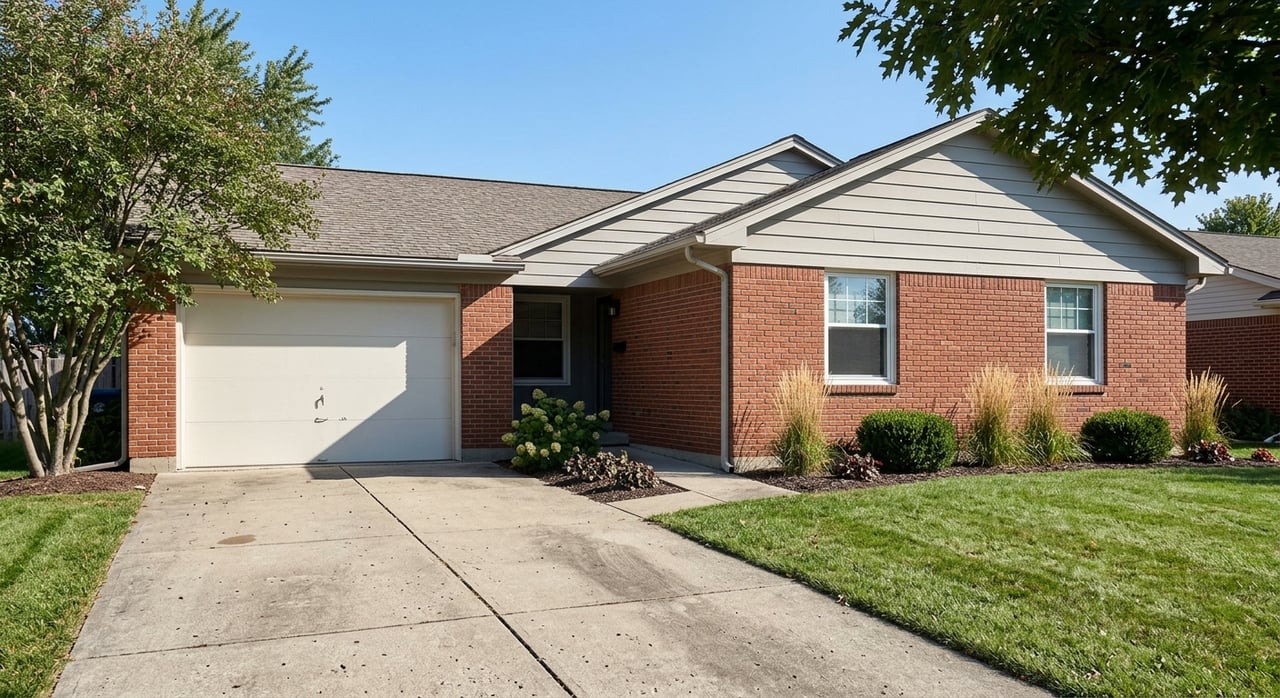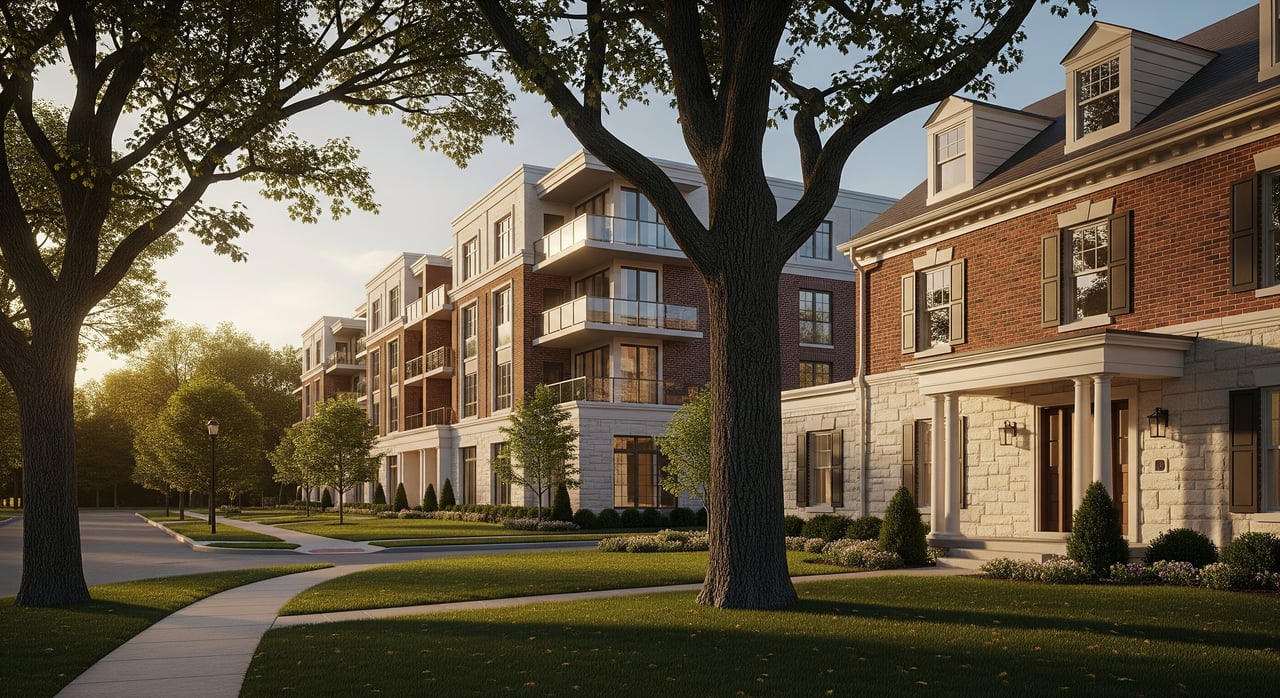
Thinking about a condo or a single-family home in Oakville, but not sure which one fits your budget and lifestyle better? You are not alone. Many buyers want low maintenance, space, and a smart long-term investment, yet the real math can feel fuzzy. In this guide, you will learn how to compare all-in costs, understand financing and HOA rules, and weigh the day-to-day trade-offs that matter in Oakville. Let’s dive in.
What costs to compare
You want an apples-to-apples monthly view, plus a realistic five-year outlook. Use this simple framework to line up each option.
Purchase price and closing costs
Start with your target price for each property type. Closing costs typically include title, recording, lender fees, and insurance. Commission is negotiated and paid at closing in most transactions. Oakville is in St. Louis County, so verify any local fees or transfer-related requirements before you write an offer. Your lender and title partner can give itemized estimates for both scenarios.
Property taxes
St. Louis County property tax is based on assessed value and local tax rates. To estimate a monthly figure, use this basic approach:
- Monthly property tax = (assessed value × tax rate) ÷ 12
Confirm parcel details, assessments, and bills directly on St. Louis County resources. You can navigate to the Assessor and Collector information from the county site and search by address or parcel number. For state-level guidance on how property tax works, review the Missouri Department of Revenue’s property tax pages.
Homeowner insurance
- Single-family: You will likely carry an HO-3 or HO-5 policy that covers the structure and your belongings.
- Condo: You will likely carry an HO-6 policy that covers the interior of your unit, your improvements, and your belongings. The condo association’s master policy usually covers the exterior and common areas.
Always confirm what the condo master policy includes and where your responsibility begins. Ask about deductibles and gap coverage so you are not surprised after a claim.
HOA and condo fees
Condo fees vary widely. A fee can cover exterior maintenance, roof, common area upkeep, reserves, building insurance, trash, water, sometimes gas or heat, management, and amenities. Review the budget, reserve study, and special assessment history to understand whether fees are stable or likely to change. A single-family home may have a small neighborhood HOA, or none at all, which changes your monthly picture.
Utilities and routine upkeep
- Single-family: You will likely pay all utilities directly and handle yard care, snow removal, and exterior upkeep. Larger square footage can raise heating and cooling costs.
- Condo: Some utilities may be included in your fee. You maintain the interior; the association handles common elements per the governing documents.
Maintenance reserve
- Single-family: Plan for a maintenance reserve using a simple rule of thumb, such as 1 to 3 percent of home value per year. Your actual costs depend on age, systems, and prior updates.
- Condo: Evaluate the association’s reserve fund and capital plan. The association handles big items like roofs and siding, but owners share costs through regular dues or special assessments if reserves are low.
Resale costs and time to sell
Factor in expected selling costs and time on market for each property type. Condos can see different demand and financing dynamics than single-family homes. Investor share, rental caps, and HOA rules can affect buyer pools and appraisals. A strong listing plan and accurate pricing can help you control days on market in either case.
A quick comparison formula
- Monthly cost = Mortgage principal and interest + (Annual property tax ÷ 12) + (Insurance ÷ 12) + HOA fee (if any) + Utilities + Average monthly maintenance reserve
- Five-year holding cost = Sum of monthly costs × 60 + one-time costs (major repairs or special assessments) + expected capital improvements + estimated selling costs
Financing differences to know
Condo project approval
Some loans require the condominium project to meet certain standards. Lenders often review HOA documents, insurance, budget, reserves, owner-occupancy ratios, and rental restrictions. If you plan to use FHA or VA financing, confirm project approval early. Your lender can advise on current requirements and options if a project is not pre-approved.
Appraisals and underwriting
Condo appraisals rely on comparable units in the same or similar projects, and the project review can affect the loan. Single-family appraisals focus on the house and nearby comparable sales. In both cases, condition and local comps drive value, but condos can see more variance when recent unit sales are limited.
Rental caps and investor ratios
Many condo associations limit the number of rental units. These caps can influence both financing eligibility and resale demand. Ask for current owner-occupancy percentages, leasing rules, and any waiting lists for rental permits.
Insurance and HOA governance
What HO-6 covers
An HO-6 policy typically covers your interior finishes, personal property, loss of use, and personal liability. Coordinate with the association’s master policy to avoid gaps, and confirm how loss assessment coverage applies if the association faces a large deductible.
Master policy and deductibles
Request the master insurance certificate and review the association’s deductible and coverage form. Understand how interior water damage, roof leaks, and plumbing failures are handled. Ask your insurance agent to align your HO-6 policy with the master policy to avoid duplicate coverage or blind spots.
Flood insurance in Oakville
Parts of Oakville sit near major waterways. If a property is in a mapped flood zone and you have a mortgage from a federally regulated lender, flood insurance may be required. Always verify the flood zone for a specific address using the FEMA Flood Map Service Center. You can search the map and print the status letter during inspections.
Use the FEMA Flood Map Service Center to verify a property’s flood zone
Critical condo documents to review
Ask for the full set of governing documents, including CC&Rs, bylaws, rules, current budget, reserve study, recent board minutes, master insurance certificate, and a status letter showing any unpaid assessments. Review the special assessment history and the reserve plan for upcoming projects.
Lifestyle trade-offs in Oakville
Space and privacy
- Single-family: You will likely get more space inside and out, a private yard, and more separation from neighbors.
- Condo: You trade some private space for shared walls and common areas, which can be a good fit if you want a simpler setup.
Maintenance and time
- Condo: Day-to-day maintenance is lighter because the association handles exterior tasks and common systems per the documents.
- Single-family: You control all repairs and upgrades, which takes time but gives you full decision-making power.
Amenities and community
- Condo: You may get amenities like a pool, fitness room, or clubhouse. Weigh the value of amenities against the monthly fee.
- Single-family: You get personalization and privacy, but you likely pay for amenities a la carte.
Commute and access
Oakville offers quick access to regional routes like I-55 and I-255, which can shorten drives to major job centers across the metro. When comparing properties, map your daily routes, proximity to retail and medical services, and access to parks and riverfront recreation.
How to choose with confidence
Use a simple, step-by-step process to compare options with clarity.
- Define the lifestyle you want. List must-haves and nice-to-haves for space, yard, privacy, amenities, and commute.
- Set your budget inputs. Get a lender pre-approval and request two estimates: one for a condo and one for a single-family purchase.
- Build two cost pictures. Use the monthly formula and five-year view for each property type.
- Review condo health. For any condo you like, request the full documents and ask your lender and insurance agent to review project risk, coverage, and approval.
- Inspect the risk. Check flood maps, utility age, roof, HVAC, and foundation. In Oakville, proximity to floodplains can vary by street, so verify by address.
- Compare resale paths. Ask your agent for expected days on market and buyer profiles for both property types in your price range.
- Decide with the whole picture. Choose the option that fits your daily life and gives you confidence about costs and resale.
Tips for Oakville sellers
- Clarify your buyer. Condos often attract first-time buyers and downsizers, while single-family homes appeal broadly. Tailor staging and marketing to the likely buyer.
- Price with the comps that count. For condos, focus on recent sales in the same project or similar buildings. For single-family homes, focus on nearby comparable sales and updates.
- Prepare the right documents. Condo sellers should gather financial statements, budget, reserve study, insurance certificate, rental rules, and any special assessment notices. Single-family sellers should prepare repair receipts, utility averages, and age of major systems.
- Make targeted updates. Condo buyers respond to fresh interiors and move-in ready finishes. Single-family buyers often value curb appeal, landscaping, and exterior condition.
- Plan for timing. Talk with your agent about local seasonality and typical days on market for your property type and price band.
Local checks before you buy
- Verify flood status by address. Use the FEMA map site to see if the property sits in a mapped flood zone.
- Confirm county taxes and assessments. Search the St. Louis County Assessor and Collector pages by parcel to see assessed value and prior bills.
- Review HOA health. Look for a current reserve study, stable dues, and a clear plan for capital projects.
- Understand rental rules. Rental caps can affect resale demand and financing.
Review St. Louis County government resources for Assessor and Collector information
See Missouri Department of Revenue property tax guidance
The bottom line
If you want low-maintenance living with defined monthly costs, a condo can make sense, as long as the project is well run and well funded. If you want space, control, and yard time, a single-family home often delivers, with higher variability in maintenance. The right choice is the one that fits your daily life and gives you a clear cost picture.
Ready to compare real properties with real numbers in Oakville? Get a clear, side-by-side analysis and local guidance that helps you move with confidence. Connect with The Closing Pros for a custom cost breakdown, project reviews, and a plan to buy or sell on your terms.
FAQs
How do monthly condo and house costs compare in Oakville?
- Build two budgets using the same loan terms and include taxes, insurance, HOA fees, utilities, and a maintenance reserve; compare the totals for a fair view.
What do Oakville condo fees usually cover?
- Fees often cover exterior maintenance, reserves, building insurance, common utilities, and amenities; confirm the line items in the budget and the last reserve study.
Can I use FHA or VA financing on an Oakville condo?
- It depends on project approval and lender review; ask your lender to check current FHA or VA eligibility for the specific condominium.
Who handles repairs in a condo versus a house?
- In a condo, owners handle interior items and the association handles common elements per the documents; in a house, you handle all interior and exterior repairs.
How do I check if an Oakville property needs flood insurance?
- Search the address on the FEMA Flood Map Service Center; if it is in a special flood hazard area and you have a qualifying loan, flood insurance may be required.
What should condo buyers review before closing?
- Request CC&Rs, bylaws, rules, budget, reserve study, board minutes, master insurance certificate, and a status letter; confirm any special assessments.
How are St. Louis County property taxes calculated?
- Taxes are based on assessed value and tax rates; estimate monthly taxes by dividing the annual tax by twelve and verify details on county resources.