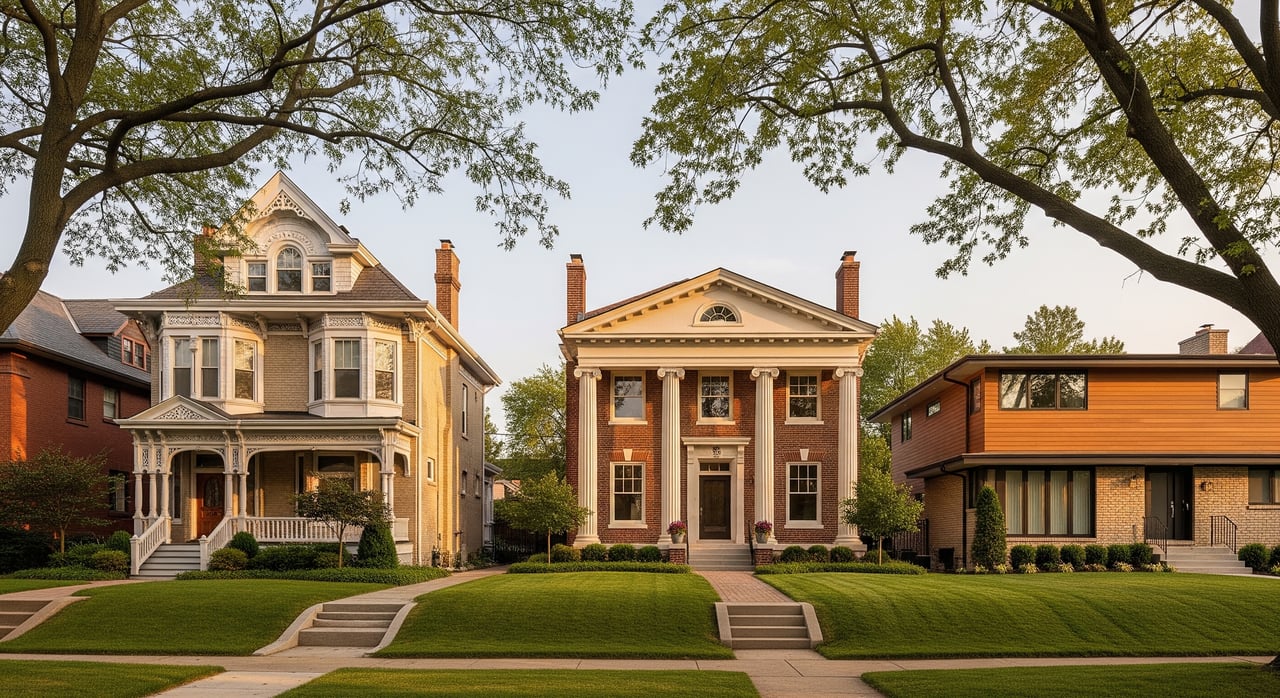
Wondering how far your budget can go in Florissant and which home style fits your lifestyle best? You are not alone. Buyers here often compare single-level ranches, split-levels, classic mid-century brick homes, and newer turnkeys while weighing condition and long-term costs. In this guide, you will see what to expect with each style, how to match it to your budget, and the smartest ways to search and negotiate. Let’s dive in.
Why Florissant works for many budgets
Florissant is a mature suburb with a large share of homes built from the 1940s through the 1970s. That mix provides options for first-time buyers, downsizers who want single-level living, and move-up buyers who want more space without the premium of some inner-ring suburbs. You also get access to I-270, Old Town Florissant, parks, and a range of local amenities.
Affordability here is relative to condition. Original homes can be an entry point if you plan updates. Renovated or newer homes push into higher tiers but may save you on near-term repairs.
Home styles you will see most
Each Florissant home style brings typical layouts, common inspection priorities, and a general budget fit.
Ranch homes
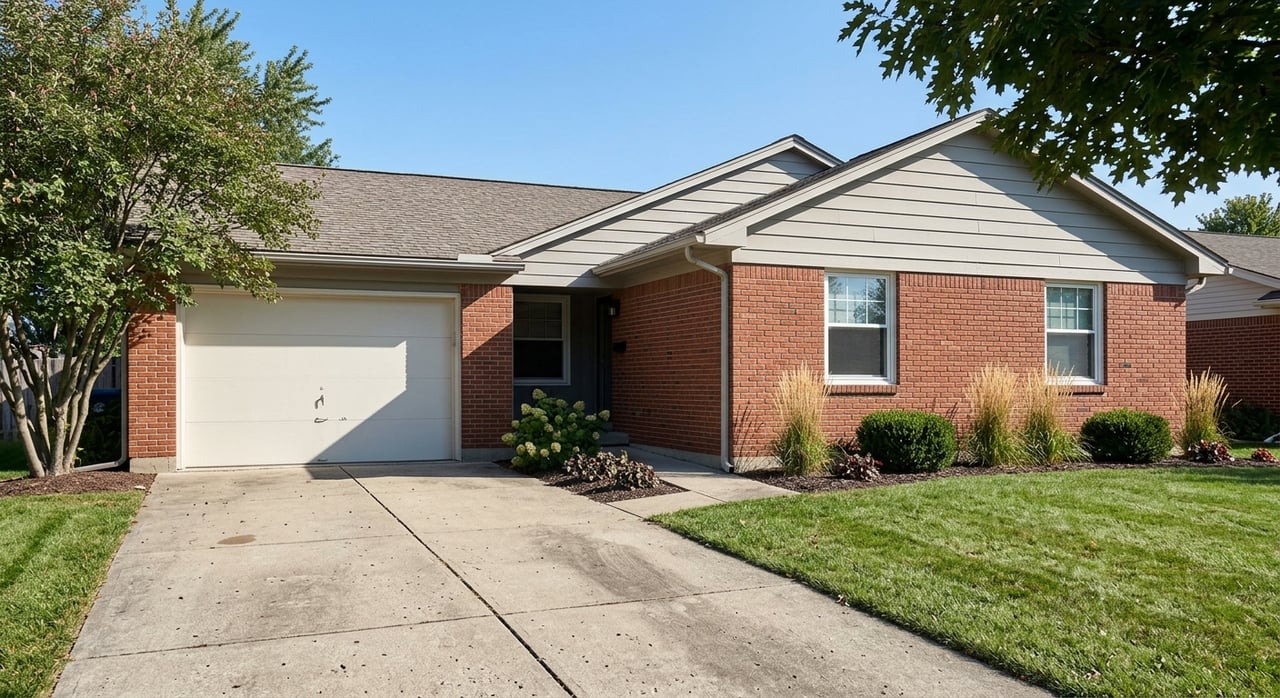
Single-story ranches from the 1950s to 1970s are common. Many have full or partial basements, 2 to 3 bedrooms, and 1 to 2 car attached garages. Lots are modest to mid-sized with practical floor plans.
Inspection and maintenance priorities:
- Roof age and flashing. Many roofs are now 20 to 40 plus years old depending on updates.
- HVAC and water heater age and service history.
- Basements and foundations. Look for moisture, sump pumps, and cracks given local clay soils.
- Windows and insulation for comfort and efficiency.
Budget fit: Often entry-level when in original condition. Renovated ranches with updated kitchens and baths can sit in move-up tiers.
Split-level homes
Built mostly in the 1960s and 1970s, split-levels use short stairs to separate living, sleeping, and family areas. Many include a lower level with a family room and yard access. You get more interior space without a larger footprint.
Inspection and maintenance priorities:
- Mechanical systems that serve multiple levels. Check ductwork, airflow, and any zoning.
- Stair safety and code compliance after remodels.
- Water management at earth-contact or partially below-grade levels.
Budget fit: Often attainable for first-time and move-up buyers. Open-plan conversions or heavy cosmetic updates raise pricing.
Mid-century brick homes
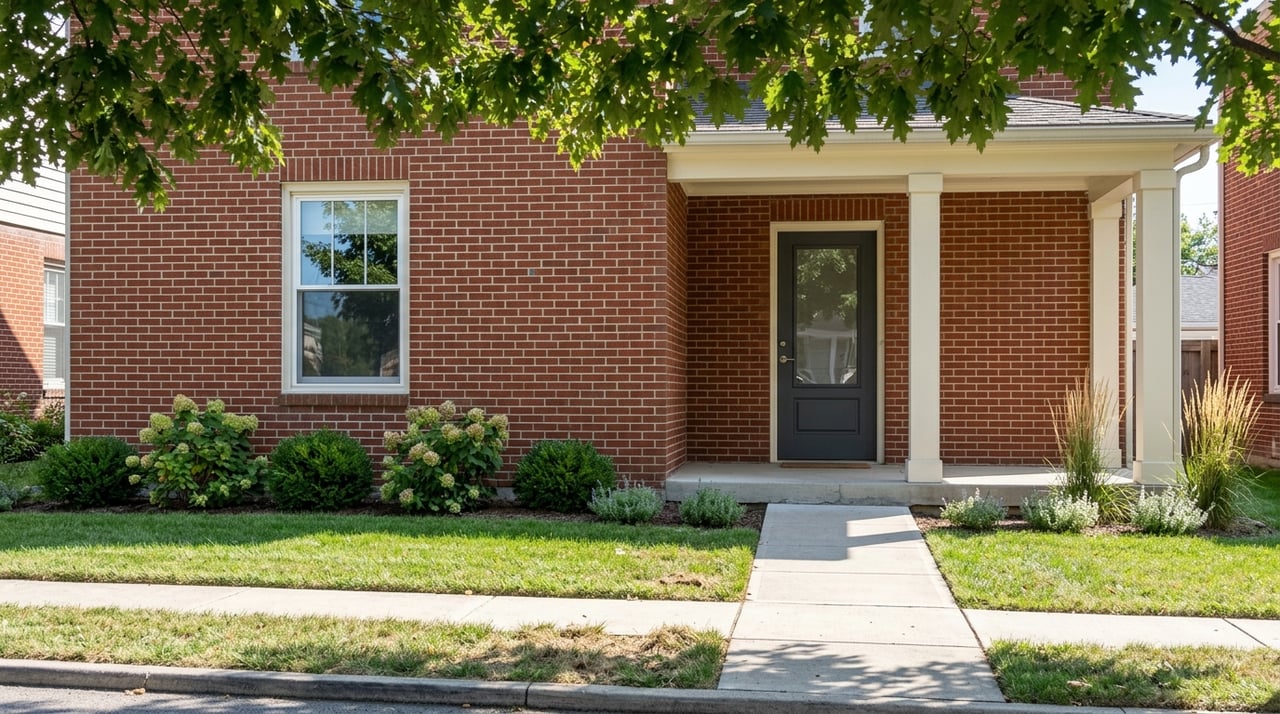
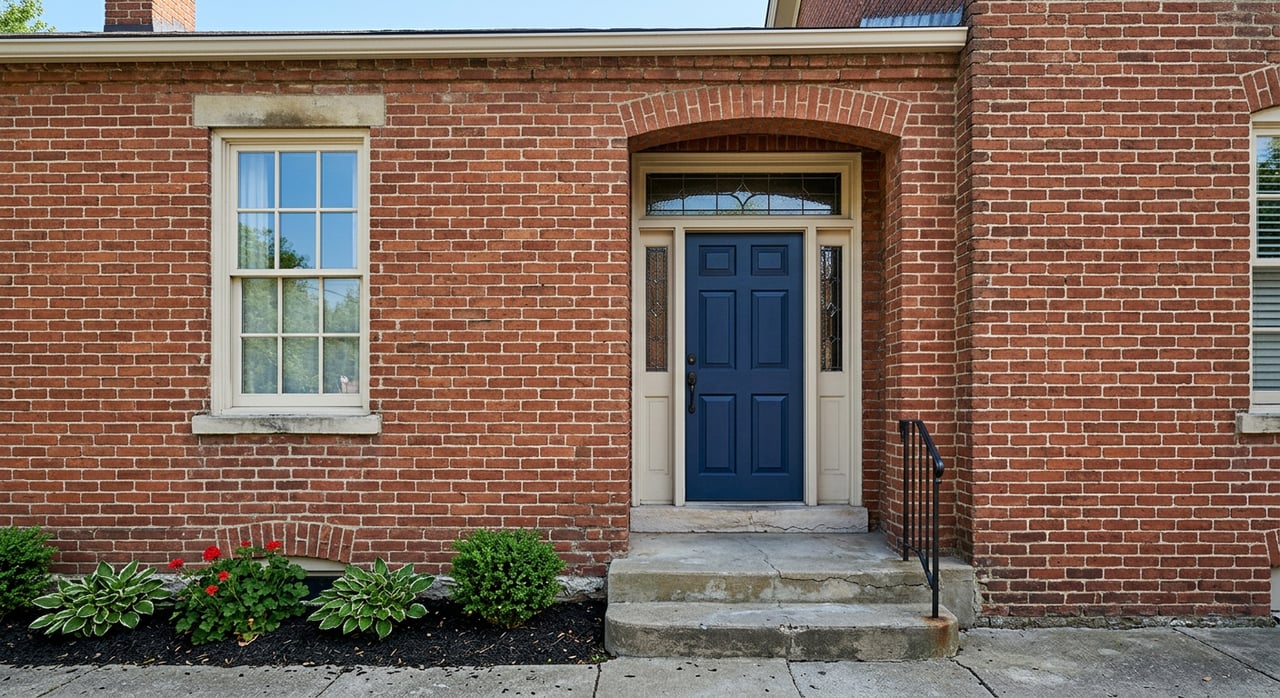
You will see brick ranches and Cape Cod styles from the 1940s to 1960s. Brick boosts curb appeal and can come with larger or well-established lots.
Inspection and maintenance priorities:
- Masonry and tuckpointing needs, plus any stone or brick detail repairs.
- Original windows and doors that may need replacement for efficiency.
- Electrical system age. Some older homes may have outdated panels.
Budget fit: Mid-century brick homes often command a premium over comparable wood-sided homes when well kept. Many appeal to move-up buyers who value classic materials and long-term durability.
Newer construction or fully renovated homes
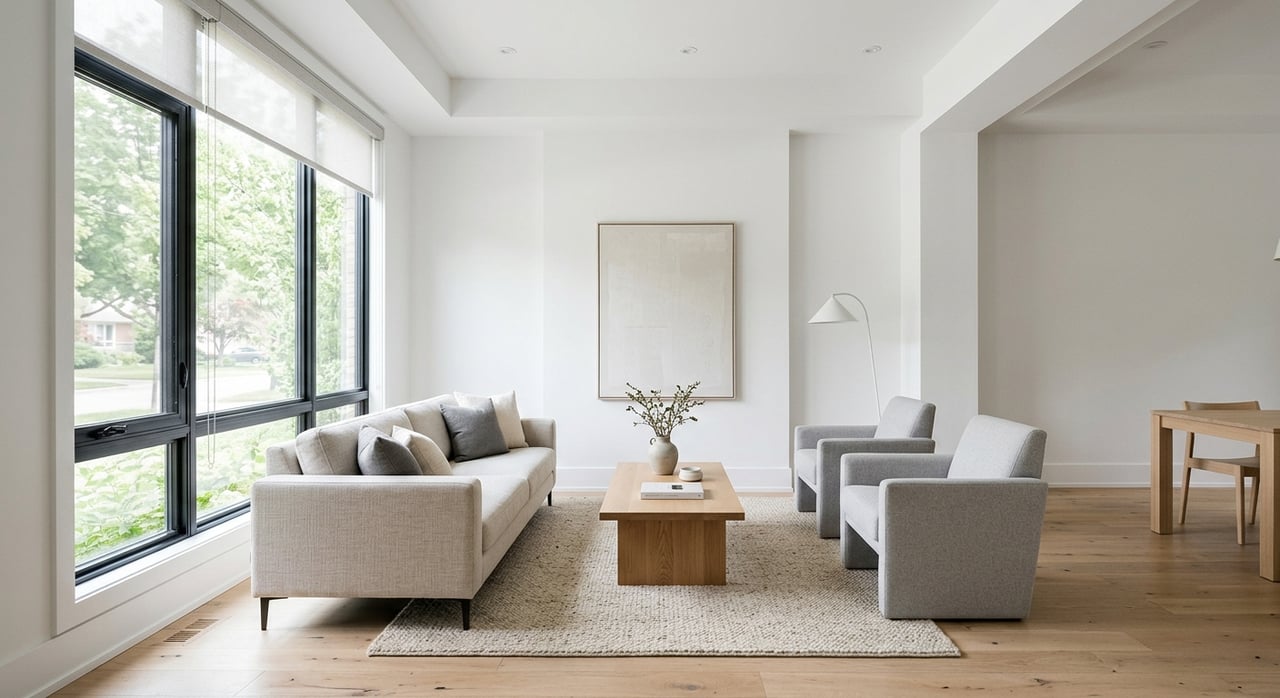
Infill homes from the 1990s to today, along with fully remodeled older properties, deliver modern layouts and updated systems. Expect open kitchens, newer mechanicals, and contemporary finishes.
Inspection and maintenance priorities:
- Verify renovation scope and permit history for mechanical or structural changes.
- Confirm ages and warranty status for newer systems and roofs.
Budget fit: Typically at the higher end of Florissant pricing. Ideal if you want turnkey living with fewer near-term projects.
Budget tiers and what to expect
Use these tiers as a planning framework. Always ground your search in current MLS data and inspection findings.
Entry budget
What you will likely see:
- Original ranches or split-levels with dated finishes.
- 2 to 3 bedrooms, 1 to 2 baths, and a basement that may be unfinished.
- Systems that may be mid-life or older.
How to approach it:
- Prioritize structure, roof, foundation, and HVAC over cosmetics.
- Plan staged updates for kitchens, baths, flooring, and windows.
- Use inspection findings to request targeted seller credits.
Middle budget
What you will likely see:
- Updated mid-century brick homes or larger ranches with refreshed kitchens and baths.
- Some newer subdivisions with modest lot sizes.
- Finished basements or functional rec spaces.
How to approach it:
- Verify the age of major systems and the quality of cosmetic updates.
- Look for permitted additions or remodels that add lasting value.
- Use minor cosmetic items for negotiation leverage.
Higher budget
What you will likely see:
- Newer construction or fully renovated homes with open plans.
- Improved energy efficiency, newer roofs, and modern mechanicals.
- Features like finished basements and larger garages.
How to approach it:
- Compare price per square foot to renovated older homes with strong lots.
- Confirm permit history, warranties, and any transferable roof or system guarantees.
- Calculate potential savings on near-term maintenance.
What to prioritize at inspection in Florissant
Older homes can be a great value if you confirm the basics. Ask your inspector to focus on:
- Basements and grading. Look for signs of water intrusion or past flooding.
- Roof condition, flashing, and gutters. Ask about remaining life.
- HVAC, water heater, and electrical panel age and function.
- Foundations and masonry for movement or tuckpointing needs.
- Potential lead paint in homes built before 1978 and possible asbestos in older materials. Discuss mitigation scope and cost ranges.
Renovation and maintenance planning
Plan your budget with a conservative lens. Actual costs vary by contractor and scope, so get local bids before you commit.
- Annual maintenance reserve: 1 to 3 percent of your purchase price for routine care and minor repairs.
- Small updates: Paint, lighting, and minor fixes often run from a few thousand dollars. Many buyers set aside 5k to 20k for light cosmetic upgrades.
- Roof replacement: Costs vary by size and pitch. Plan for a wide range from a few thousand to 10k plus.
- HVAC replacement: A new furnace and central air can run several thousand dollars.
- Basement waterproofing or sump pump work: Solutions vary widely by method and severity.
- Windows and insulation: Pricier upfront but can improve comfort and utility costs.
- Kitchen and bath remodels: Midrange projects commonly cost in the mid-to-tens of thousands. High-end scopes cost more.
- Major renovations: Structural work or full-home overhauls can reach 50k to 150k plus.
Renovation budgeting checklist
- Define scope room by room and separate must-haves from nice-to-haves.
- Get at least two local contractor bids that include timeline and materials.
- Confirm permit requirements before you start.
- Build a 10 to 20 percent contingency for surprises.
- Stage projects by priority to keep your home livable.
Smart search strategy for Florissant
Match filters to what matters most so you do not waste time.
MLS filters to use
- Basement or finished basement for added living space.
- Year built ranges: pre-1960 for classic brick or ranch, 1960s to 1980s for split-levels, post-1990 for newer builds.
- Updated kitchen or bath, remodeled, new roof, new HVAC for move-in comfort.
- Lot size and garage count if parking or yard use is a priority.
Negotiation levers that help
- For older homes: Use inspection findings to request credits for roof, HVAC, or waterproofing.
- For renovated homes: Verify permits and warranties. Any gaps can be used to adjust price or terms.
- Consider a pre-closing home warranty when systems are near end of life.
Who buys what in Florissant
Use these quick profiles to picture your fit.
- First-time buyer: You want a solid home with room to add value. An original ranch or split-level can be a smart entry if the roof, foundation, and HVAC check out. Plan a cosmetic budget and upgrade in phases.
- Move-up buyer: You prefer modern kitchens and baths and may want a finished basement. Updated mid-century brick or larger renovated ranches often deliver the space and finishes you want without major projects.
- Downsizer: You value single-level living and easy maintenance. A well-kept ranch with an attached garage and minimal stairs can be ideal. Focus on roof age, windows, and mechanicals to reduce near-term costs.
Florissant vs nearby suburbs
If you compare Florissant to suburbs like Clayton, Kirkwood, or Chesterfield, you will often find lower entry price points in Florissant. Trade-offs can include differences in school district perceptions, newer housing stock, and certain amenity sets. If commute time is a factor, map drive times to your job along I-270 or other key routes during peak hours. For carrying costs, always verify property taxes with the St. Louis County assessor and check for any floodplain or special assessments tied to a specific lot.
Quick decision guide
- Prefer single-level living and lower stairs risk? Choose a ranch.
- Want separation of spaces without a larger lot? Choose a split-level.
- Want low exterior maintenance feel with classic curb appeal? Choose mid-century brick.
- Want turnkey and modern systems? Choose newer or fully renovated homes.
Pre-offer checklist for older homes
- Review seller disclosure and past permits for roof, HVAC, and basement work.
- Ask for utility cost history to gauge efficiency.
- Check grading and downspout extensions for water control.
- Confirm electrical panel capacity and presence of GFCIs where required.
- Identify any suspected lead paint or asbestos and plan testing if needed.
Your next step
If you want a clear path from search to closing, you need local guidance, tight timelines, and practical contractor support. Our team pairs neighborhood expertise with process-driven execution so you can buy with confidence. When you are ready to compare options or want a realistic renovation plan, reach out to The Closing Pros for a straight answer and a faster path to yes.
Ready to start? Connect with The Closing Pros for local guidance, a tailored search, and a plan that fits your budget and timeline.
FAQs
What can my budget buy in Florissant?
- Entry budgets often find original ranches or split-levels with 2 to 3 bedrooms that may need cosmetic updates, middle budgets see updated mid-century brick or larger ranches, and higher budgets focus on newer or fully renovated homes.
How much should I set aside for renovations in Florissant?
- Plan 1 to 3 percent of the purchase price each year for routine maintenance, 5k to 20k for light updates, several thousand for HVAC, a few thousand to 10k plus for roofs, and 50k to 150k plus for major overhauls depending on scope.
What inspection issues are common in Florissant homes?
- Prioritize basements and grading for moisture, roof age and flashing, HVAC and water heater age, masonry and foundation movement, and potential lead paint or older materials.
Are newer or fully renovated homes worth the premium?
- They often reduce near-term repair risk and can come with warranties, but you should verify permits and compare price per square foot and lot features to renovated older homes.
Is Florissant a good long-term investment?
- It depends on location, home condition, and your plan, but affordability plus proximity to major corridors supports steady demand and renovation quality can drive long-term value.