Thinking about a North County suburb that keeps life simple and comfortable without stretching your budget? If you want mature streets, established homes, and everyday amenities close by, Florissant deserves a serious look. You get practical value, a steady suburban pace, and easy access to the rest of the St. Louis area. In this guide, you’ll learn what homes look like, how daily life flows, what to consider for commutes and schools, and how to shop older homes with confidence. Let’s dive in.
Florissant at a glance
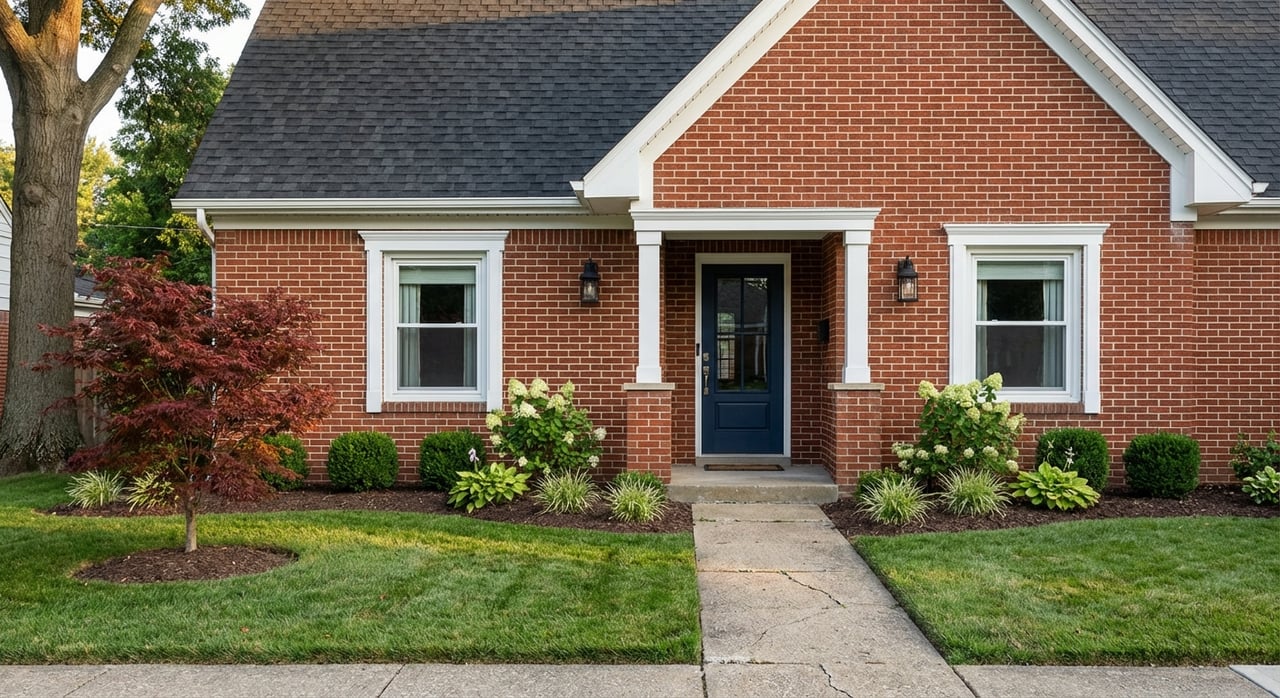
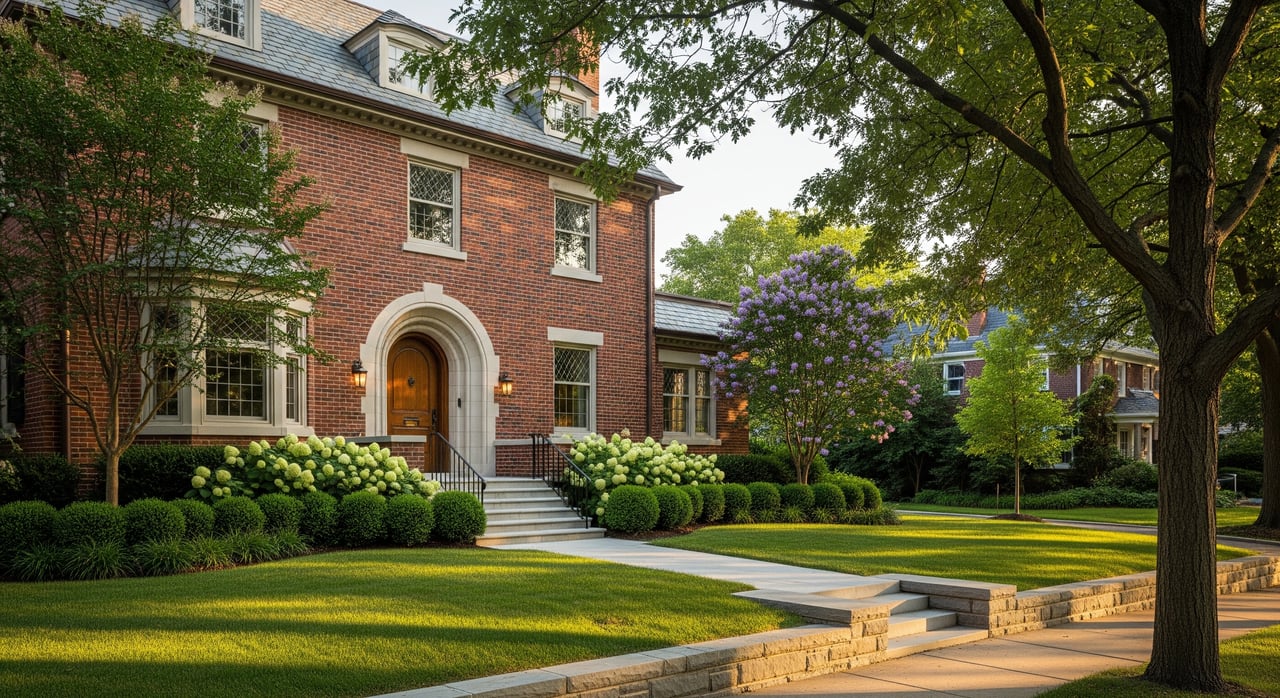
Florissant sits in North St. Louis County and offers a classic suburban setting with tree-lined blocks and long-term residents. You’ll find a range of single-story ranches, cape cods, and brick cottages built mostly from the 1950s to the 1970s, along with a scattering of newer infill. Many homes have manageable yards and mature shade trees.
The appeal is straightforward. You get accessible pricing compared with many parts of the metro, everyday shopping within a short drive, and community programs that make routines easier. If you want a practical place to put down roots, Florissant checks the boxes for value and convenience.
Neighborhoods and housing
Typical home styles and ages
Most streets feature mid-century single-family homes. Expect ranch and cape cod layouts, brick exteriors, and classic mid-century details. Many houses have updated systems, though you should plan for potential kitchen or bath refreshes and occasional mechanical upgrades.
Lot sizes are moderate. You often get a front lawn, a backyard for pets or gardens, and driveways with off-street parking. The overall feel is established and low-fuss.
Old Town and historic pockets
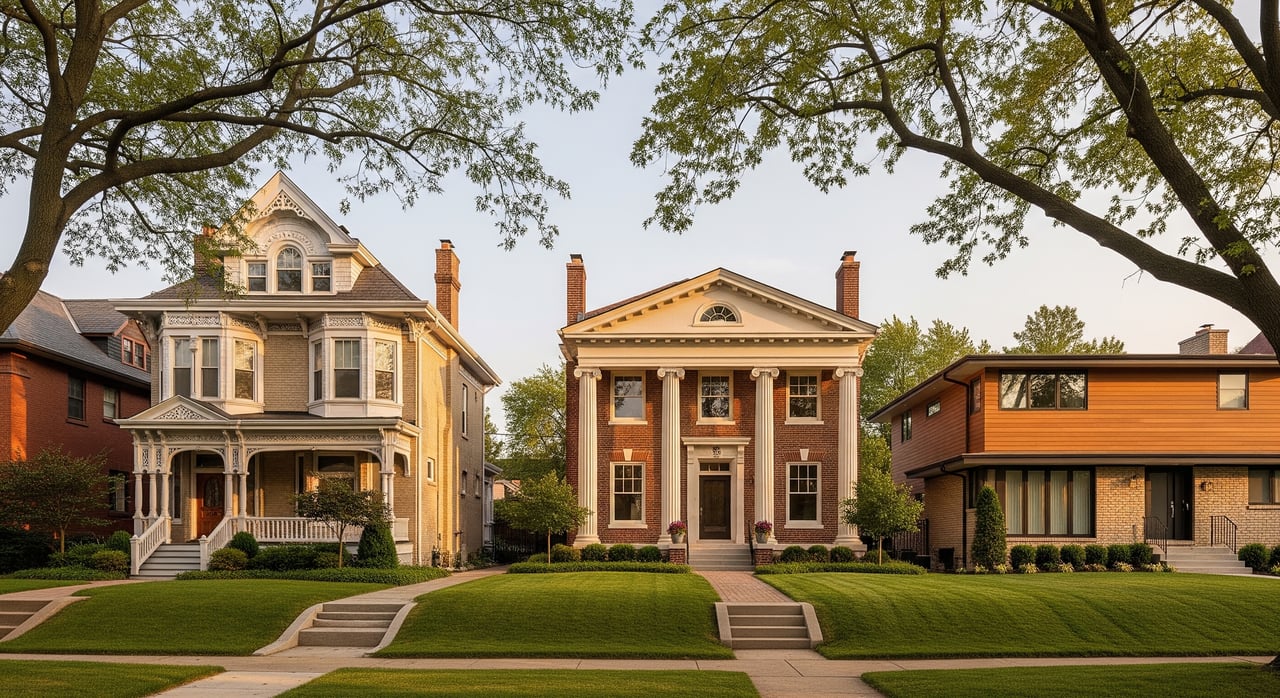
Florissant’s historic center provides a small-town backdrop within the metro. You’ll see older architecture, local shops, and community events that create a sense of place. If you enjoy walkable pockets and seasonal festivals, this area is worth exploring during your home tours.
Mid-century subdivisions
A large share of the city is made up of postwar subdivisions. Streets tend to be quiet, with sidewalks, neighborhood parks nearby, and practical access to schools and services. Homes vary in size and condition, so updated listings can move quickly while houses needing work may sit longer and invite negotiation.
North and south Florissant
North and south sides of the city offer similar suburban conveniences with some differences in housing eras, commercial corridors, and school assignments. Boundaries and specific features can vary block by block. If school zoning matters to you, verify attendance areas for any home you are considering.
Nearby cities and context
Florissant is near other North County communities including Ferguson and Hazelwood, and it is a reasonable drive to employment hubs across St. Louis County and the city. Understanding where you will commute helps you pick the right pocket for daily convenience.
What daily life feels like
Parks and outdoor time
Florissant’s municipal parks system offers neighborhood green space, playgrounds, walking paths, ballfields, and picnic areas. Mature trees and year-round programs give you easy ways to get outside. If you value weekend routines in nature, you will find plenty of low-cost options close to home.
Recreation and community programs
You can expect a community-focused recreation setup, including civic centers, pools, group classes, and youth sports. These programs run throughout the year and help residents connect. Check current schedules and membership details when you plan your move.
Shopping and dining
Daily errands are simple. You have grocery stores, pharmacies, hardware, and quick-service dining in several commercial corridors. Local restaurants and coffee spots add variety, and larger retail options are a short drive away. For most households, weekly needs are covered without a long trip.
Schools and learning
Public school assignments depend on your address. Always confirm attendance boundaries before you write an offer. For an objective look at performance, review official state report cards and connect directly with the district for programs and enrollment processes. You will also find a range of private and parochial options in and around North County.
Healthcare and essential services
You have access to primary care clinics, urgent care, and larger hospital systems within a reasonable drive in St. Louis County. Many residents appreciate having multiple options for routine visits and specialist referrals nearby. If medical access is a top priority, map out travel times to your preferred providers as part of your home search.
Commuting and transit
Many residents drive to work across St. Louis County or into the city. Typical routes use nearby interstates and major state roads that connect quickly to regional employment centers. The area is served by regional transit, including bus service, and some commuters use park-and-ride options. If you are sensitive to drive time, check rush-hour mapping during the actual times you expect to travel.
Community character, safety, and civic life
Florissant has a community-oriented feel with long-running civic clubs, neighborhood associations, religious organizations, and local events. The historic center and annual traditions add small-town texture within the larger metro.
When you evaluate safety, rely on official data. Review recent crime statistics and maps from trustworthy sources, and compare trends with St. Louis County. Then pair that information with daytime and evening visits to the blocks you are considering. This gives you a fuller picture as you choose a home.
Municipal services such as trash and recycling, snow removal, building permits, and senior programming are part of everyday life. Look up schedules and processes for your specific address so you know what to expect on move-in day.
Market context and how to check it now
Florissant is often viewed as a value-oriented, stable market. Updated homes that are priced correctly can move fast. Properties that need work may stay on the market longer and create opportunities for buyers who are comfortable with renovations.
Before you buy or sell, check these current indicators:
- Median sold price for the past 12 months, plus year-over-year change.
- Months of supply to gauge competition.
- Average days on market and sale-to-list price ratio.
- Price bands, such as the share of sales under 200k, 200 to 350k, and 350k and up.
- Rental demand and average monthly rents if you are investing.
Numbers change month to month, so pull fresh data right before you decide. Cross-check figures from your agent’s MLS with widely used real estate portals for trend confirmation.
Practical tips for buyers
- Get pre-approved early. This sets your budget and speeds up offers.
- Plan for older-home updates. Budget for HVAC, electrical, windows, and kitchen or bath improvements. A thorough inspection is essential.
- Verify school boundaries. If schools matter to you, confirm assignments for the specific property.
- Check commute realities. Test drive your route at rush hour, and note alternate paths for weather days.
- Estimate total monthly costs. Include property taxes, utilities, insurance, and any HOA fees.
- Prioritize must-haves. Decide if you want move-in ready or a project. In this market, clear priorities help you act fast.
Practical tips for sellers
- Pre-list inspection. Identify repairs that could slow a deal, then decide what to address and what to price accordingly.
- Light updates pay off. Fresh paint, clean landscaping, and functional lighting help older homes show well.
- Price with precision. Use the latest comparable sales and current inventory, not last season’s headlines.
- Prepare for appraisals. Share upgrades, permits, and utility cost histories to support value.
- Plan for different buyer types. First-time buyers may favor turnkey. Investors may prefer as-is. Flexibility can widen your buyer pool.
How The Closing Pros helps you win
Buying or selling in a mature suburb is about details. You want an advocate who knows mid-century construction, understands district boundaries, and brings current data to every decision. Our team pairs neighborhood expertise with a streamlined process so you get clear guidance, faster timelines, and fewer surprises.
Whether you want a move-in ready ranch, a value-add project, or a confident sale of your long-time home, we can help you compare options and execute with certainty. Ready to get started? Connect with The Closing Pros for a local plan and a free instant home valuation.
FAQs
Is Florissant affordable compared with other St. Louis suburbs?
- Florissant is generally known for accessible pricing within the metro. For a current comparison, review the latest median sold price from the MLS against countywide figures before you shop.
What types of homes will I find in Florissant?
- You will see many mid-century ranches, cape cods, and brick cottages on moderate lots, plus occasional infill and limited townhomes or condos.
How are the public schools that serve Florissant addresses?
- School assignments vary by address. Confirm boundaries with the district and review official state report cards for performance indicators that matter to you.
What is the commute like from Florissant to major job centers?
- Most residents drive using nearby interstates and main corridors. Check real-time mapping during your normal rush hour to estimate day-to-day travel times.
Are there parks and community programs in Florissant?
- Yes, the city maintains a network of parks and offers recreation programs, pools, classes, and youth sports. Review current schedules and amenities as you plan.
What should I look for when inspecting an older home in Florissant?
- Focus on roof age, HVAC and electrical systems, windows, foundation, and any past permits. Get a professional inspection and build a realistic upgrade budget.
How can I sell my Florissant home as-is without leaving money on the table?
- You can market as-is to retail and investor buyers at once, price intelligently using fresh comps, and use a clean transaction process to attract strong offers.