Thinking about buying a rental in Oakville but not sure if the numbers will work? You’re not alone. Oakville offers steady suburban demand and low turnover, yet purchase prices can make cash flow tight if you underwrite with rosy assumptions. In this guide, you’ll learn how to size up rents, run a quick pro forma, pressure test location factors, and plan for upkeep so you can move with confidence. Let’s dive in.
Oakville rental market at a glance
Oakville’s home prices sit in the mid 300s based on recent market reports. Typical asking rents vary by property type and finish level. As a quick screen, expect around $1,100 to $1,600 for many 1 to 2 bedroom rentals and roughly $1,500 to $2,400 for 3 bedroom and larger single family homes, with actual numbers driven by street-level comps and condition. You can spot check current listings using the Oakville rent research from Zumper.
At the metro level, the St. Louis multifamily market showed modest rent growth and occupancy in the low to mid 90 percent range in 2024 to 2025, according to Yardi Matrix’s St. Louis report. That points to steady regional demand, even as submarkets like Oakville vary by property type and location.
Key takeaway: Oakville is a suburban, largely owner-occupied area with solid tenant demand and relatively higher purchase prices compared to typical rents. That mix often produces lower initial cap rates on turnkey single family homes. If your strategy is cash flow first, you will need sharp purchase pricing, value-add, or a small multifamily play.
What property types work here
Single family homes
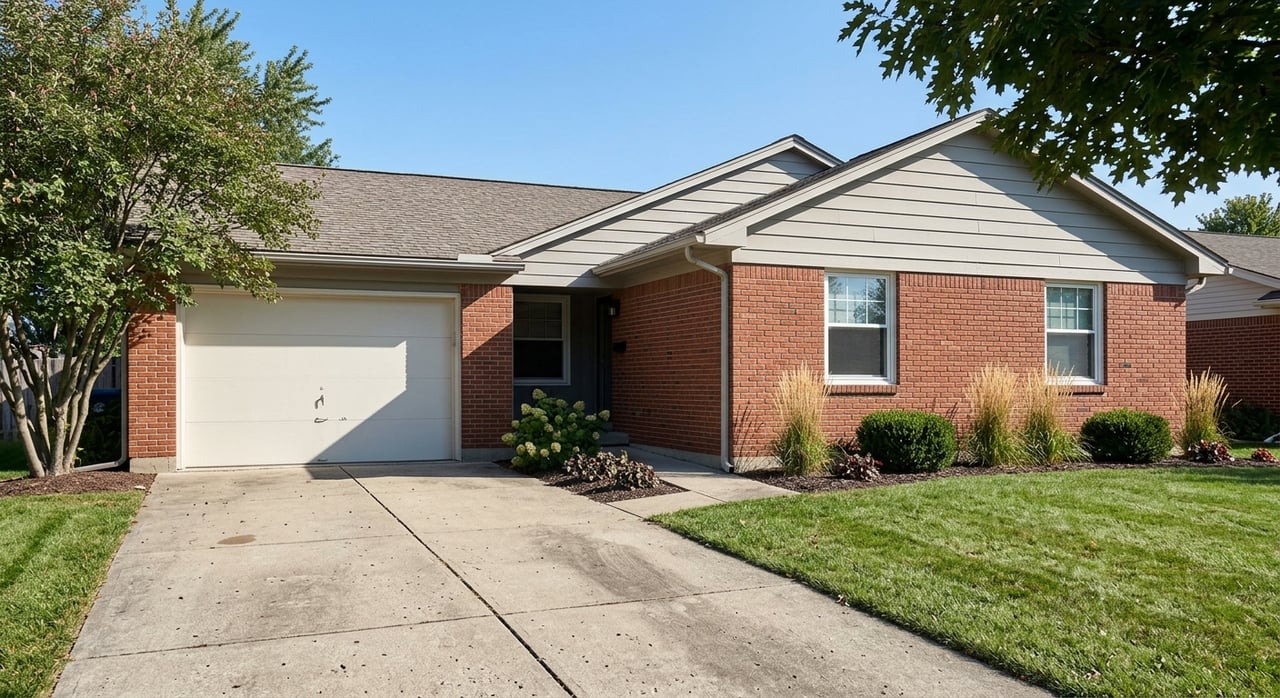
Most Oakville rentals are single family properties with 3 bedrooms and 1 to 3 baths. These often attract tenants who stay longer, which can help reduce turnover costs. If you target appreciation plus stability, this segment can fit. Hitting aggressive cash flow targets is harder without a discount or renovations that lift rent.
Small multifamily
Duplexes, triplexes, and fourplexes are less common than single family homes but can improve per-door economics. Look for convenience near Telegraph, Lindbergh, or retail nodes like Oakville Shopping Center. Always confirm local zoning and any municipal inspection or occupancy requirements before you buy.
Condos and townhomes
Supply is limited, and HOA rules can affect yields. Verify rental restrictions, upcoming assessments, budget health, and meeting minutes. A strong HOA can support property condition, but fees must be built into your pro forma.
Run the numbers in 10 minutes
Quick rules of thumb
- 50 percent rule: As a screening estimate, assume about half of gross rent will go to operating expenses, excluding your mortgage. It is not a final budget, but it helps you compare options fast. See a primer on common underwriting rules in this BiggerPockets guide.
- Management fee: Full-service property management commonly runs about 8 to 12 percent of collected rent, with a separate leasing fee. Get written quotes so you can underwrite accurately. Cost ranges are outlined in Showdigs’ overview of management fees.
Worked example: conservative case
Assume a purchase price of $345,000, 75 percent LTV financing, and a 30-year fixed loan for illustration. Use $1,600 per month for a clean but not newly renovated 3 bedroom single family, 6 percent vacancy, and the 50 percent rule for operating expenses.
- Gross annual rent: $1,600 x 12 = $19,200
- Vacancy at 6 percent: −$1,152 → Effective income = $18,048
- Operating expenses at 50 percent of gross: −$9,600 → NOI = $8,448
- Example annual debt service at roughly 6.5 percent on a $258,750 loan: ≈ $19,620
- Estimated cash flow: $8,448 − $19,620 = −$11,172
- Cap rate: $8,448 ÷ $345,000 ≈ 2.5 percent
What this says: at median-like prices, many Oakville single family homes under conventional financing will not cash flow strongly without a discount, a rent premium, or both.
Sensitivity check: better rent and leaner expenses
Now test a more optimistic but still plausible case. Keep the same purchase and financing, lift rent to $1,900, reduce vacancy to 5 percent, and model 40 percent operating expenses.
- Gross annual rent: $1,900 x 12 = $22,800
- Vacancy at 5 percent: −$1,140
- Operating expenses at 40 percent of gross: −$9,120
- NOI: $22,800 − $1,140 − $9,120 = $12,540
- Debt service (same): ≈ $19,620
- Estimated cash flow: $12,540 − $19,620 = −$7,080
- Cap rate: $12,540 ÷ $345,000 ≈ 3.6 percent
Even with stronger rent and leaner assumptions, the example still runs negative. Many local investors overcome this by buying below market, executing value-add renovations to justify higher rent, or choosing a small multifamily where the numbers scale better per door.
Location checks that move the needle
Schools and boundaries
Oakville is served by the Mehlville R-IX School District. School attendance zones can influence tenant interest and acceptable rent for family-oriented properties. Verify boundaries for each address and confirm the assigned elementary, middle, and high schools.
Parks, trails, and daily needs
Proximity to parks is a plus for many renters. Bee Tree County Park offers trails, a lake, and river overlooks that add to the area’s appeal. Learn more about amenities at Bee Tree Park. Convenience to groceries and services also matters. Being near Telegraph or retail like the Oakville Shopping Center can support demand and reduce days on market.
Commute access
Oakville’s South County location provides access to I-55 and major arterials like Lindbergh. For many tenants, an easy drive to job centers is more important than walkability to downtown.
Flood risk
Some parcels near the Mississippi and Meramec rivers fall within FEMA flood zones. Always run the address in the FEMA Map Service Center and price flood insurance into your expenses where required.
Upkeep, operations, and legal basics
Budget for repairs and reserves
For quick budgeting, many investors reserve about 1 percent of purchase price per year for ongoing repairs and build a separate capital expense fund for systems like roof, HVAC, water heater, and windows. The 50 percent rule is a fast screen, but your final budget should reflect inspection findings and actual quotes. See the BiggerPockets rules-of-thumb overview for context.
Property management costs
In this market, full-service management commonly runs about 8 to 12 percent of collected rent, with separate leasing and renewal fees. Collect 2 to 3 written quotes that outline fees, leasing timelines, and scope before you finalize underwriting. See ranges in Showdigs’ fee guide.
Taxes and insurance
Estimate taxes early. St. Louis County publishes budget and mill-rate context in its adopted business plan, but your actual parcel bill depends on district levies. Pull the current tax bill from the county collector for each address you evaluate. For insurance, confirm whether a property sits in a flood zone and obtain a quote before removing contingencies.
Missouri landlord law essentials
- Security deposits: Missouri caps deposits at no more than two months’ rent and requires return or an itemized deduction list within 30 days after lease termination. See the statute in RSMo §535.300.
- Evictions and self-help: Follow state procedures and avoid lockouts or removal of possessions without a court order. Refer to RSMo Chapter 534, and use experienced local counsel or a seasoned manager if you need to file.
Due diligence checklist
- Pull the parcel’s current tax bill and identify all taxing districts using county resources, starting with the St. Louis County business plan portal.
- Run rent comps: at least three active comparable listings plus one recent lease if available. Use Zumper’s Oakville rent research and verify with street-level comps.
- Check flood zones at the FEMA Map Service Center and request any Letters of Map Change from the seller if noted.
- Order inspections, including general, sewer lateral camera if indicated, and pest. Get a contractor’s written scope and quote for immediate repairs and longer-term items.
- Get a property manager’s rent estimate, fee schedule, and expected days-to-lease. Compare quotes using ranges outlined by Showdigs.
- Confirm Missouri lease compliance items, including deposit handling under RSMo §535.300, and plan legal support for any eviction scenarios per RSMo Chapter 534.
- Run sensitivity scenarios: purchase price plus or minus 5 to 10 percent, rent plus or minus 10 percent, vacancy between 4 and 8 percent, and expense ratios from 35 to 55 percent.
How we help investors in Oakville
You want clear numbers, a reliable process, and options. Our team pairs neighborhood expertise with investor-ready systems, from fast rent and repair estimates to vetted contractor introductions and smooth transaction coordination. If you need value-add execution, we help scope and coordinate renovations. If you want off-market alerts or as-is options, we plug you into an investor network that creates more paths to the right deal. When you are ready to act, lean on The Closing Pros for local underwriting support and operator-level execution.
FAQs
What cap rate should I expect for an Oakville single family rental?
- Using conservative assumptions from this guide, many turnkey single family homes under conventional financing pencil in the roughly 2.5 to 3.5 percent cap rate range, which means investors often pursue discounts or value-add to improve returns.
Are small multifamily properties common in Oakville, and where should I focus?
- They are less common than single family homes, but you can find opportunities, especially near major arterials and retail nodes like the Oakville Shopping Center for convenience and tenant demand.
How can I estimate taxes quickly for an Oakville property?
- Start with the St. Louis County business plan portal for mill-rate context, then pull the parcel’s actual tax bill from the county collector to underwrite the current charge and taxing districts.
What rent can a typical 3 bedroom Oakville home command?
- As a quick screen, expect roughly $1,500 to $2,400 depending on condition, location, and amenities, and verify with live comps using Zumper’s Oakville rent research plus street-level listings.
Do I need flood insurance for Oakville rentals near the river?
- Some parcels near the Mississippi and Meramec are in FEMA flood zones. Search the address on FEMA’s Map Service Center and include flood insurance premiums and deductibles in your underwriting if required.