If you have ever wondered why one St. Louis investment deal looks great on paper but falls apart in real life, the answer is usually in the underwriting. In this market, broad averages can be misleading, and small neighborhood differences can change your numbers fast. When you know how local investors analyze deals before making an offer, you can spot risk earlier, price with more confidence, and avoid expensive surprises. Let’s dive in.
Start With the Right Market Lens
In St. Louis, micro-markets matter more than headlines. City and metro averages can hide major differences in rent levels, vacancy, and resale demand from one area to the next.
According to Census QuickFacts for St. Louis city, the city population was estimated at 279,695 in July 2024, median gross rent was $997, and renters made up 54.0% of occupied units in 2023. The same source also reports 26,057 vacant units, which is a reminder that supply and demand can look very different depending on the block, not just the ZIP code.
At the metro level, HUD’s St. Louis housing market profile estimated a 1.0% sales-housing vacancy rate and 2.6 months of for-sale supply in 2025. In the apartment market, though, vacancy was 10.5% with average rent at $1,296 in Q2 2025. That gap is exactly why investors typically narrow their focus to the neighborhood level before they decide a property is a deal.
Why neighborhood data changes the math
A rental in a stronger-demand pocket may support very different assumptions than a unit in a softer submarket. HUD reported Downtown St. Louis apartment vacancy at 23.1%, while West County had the highest average rent at $1,563. Those are very different operating environments, even within the same metro.
That means experienced investors usually avoid using one citywide rent number or one metrowide vacancy rate across every property. Instead, they ask a simple question first: What is happening right here, in this immediate market area?
Estimate ARV With Real Comps
After-repair value, or ARV, is one of the most important numbers in any investment analysis. It also tends to be one of the easiest numbers to overestimate.
St. Louis investors who stay disciplined usually treat ARV as a comp-supported estimate, not a target they hope to hit. That approach matters even more in a market where neighborhood performance can shift so quickly from one area to another.
What good comps look like
Fannie Mae’s comparable sales guidance says the best comparable sales come from the same market area or neighborhood when possible and should have similar physical and legal characteristics. It also requires at least three closed comps, generally from the past 12 months, although older sales can be used if they are still the best indicators and the reasoning is explained.
If there is no perfect match nearby, sales from a competing area may still work, but only if the comparison is clearly justified. Adjustments should reflect material differences such as time, location, condition, and concessions. In plain terms, that means you should not build your offer around the nicest sale you can find unless it truly reflects what your property could support.
How investors apply that in St. Louis
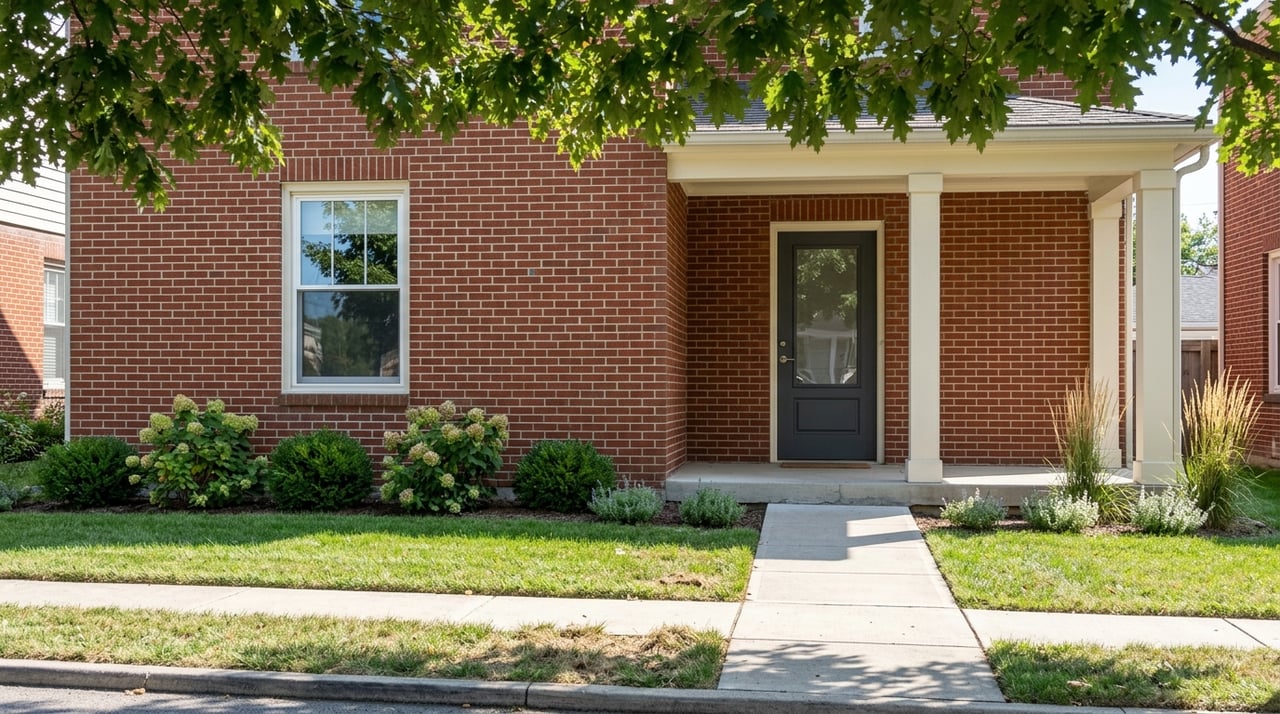
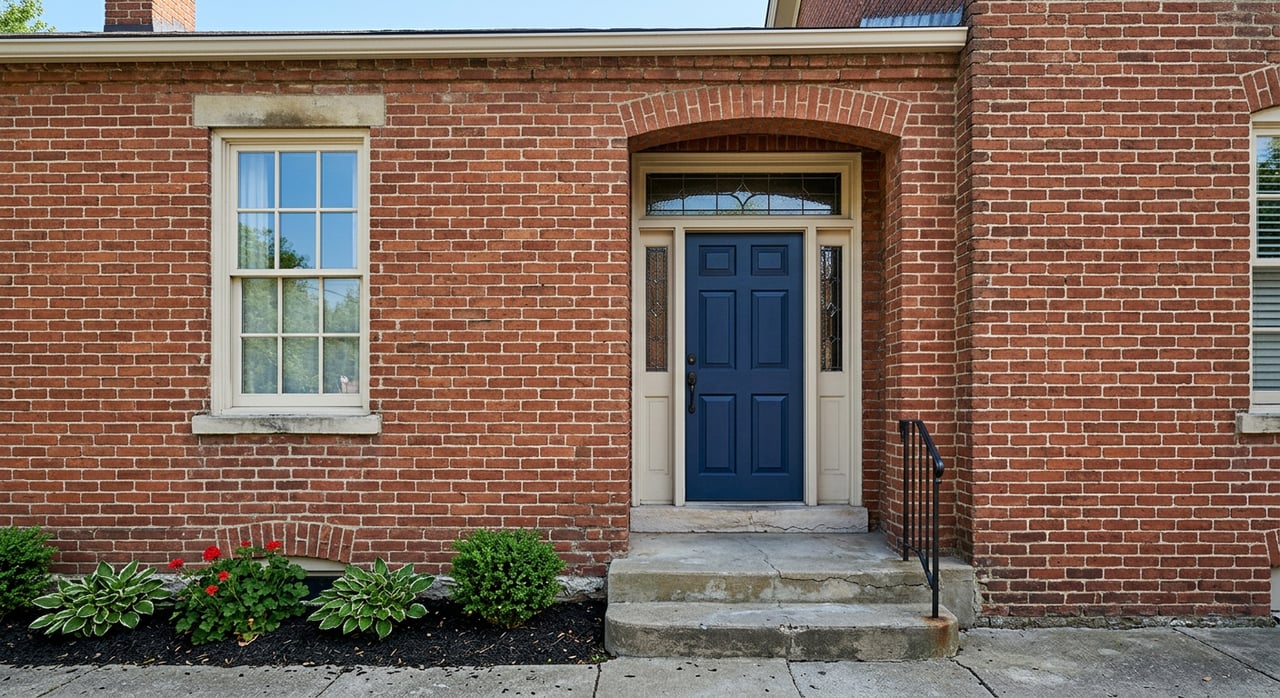
In practice, many St. Louis investors start with the same neighborhood and then expand only if the local market is thin. A rehabbed brick bungalow in one part of the city may not support the same resale value as a similar-looking home a few neighborhoods away.
That is why deal analysis often starts with a map before it starts with a calculator. If your comp set is weak, your ARV is weak too.
Build a Rehab Budget With Local Rules in Mind
A deal can look profitable until the rehab timeline stretches or local requirements add costs you did not plan for. In St. Louis city, permits, inspections, and review steps can all affect your budget and your closing timeline.
The city states that a building permit is the formal authorization to begin construction. The application fee is $25, and the final permit fee scales with the estimated project cost. That means permit expenses should be part of your upfront underwriting, not an afterthought.
Occupancy inspections can affect timing
The city’s residential occupancy requirements are a major part of local due diligence. St. Louis says all property in the city is in a Housing Conservation District, and a Certificate of Inspection is required before a vacant residential unit is occupied, before a rental unit is occupied, and before an occupied structure is sold if the certificate is not current.
The certificate lasts 12 months, and violations must be corrected within 30 days. The city also notes that buyers may want a commercial-grade building inspection because the city inspection is a basic code check. The inspection application costs $120, or $200 if someone is occupying a dwelling without a current certificate.
Historic review can add another layer
If the property is a city landmark or in a historic district, exterior work may require Cultural Resources Office review before a permit can be issued. For some projects, early review can help reduce delay risk.
For investors, this is a big underwriting lesson: rehab costs are not just labor and materials. They also include process, approvals, and time.
Underwrite Carrying Costs Carefully
Profit can disappear when carrying costs are too light on paper. St. Louis investors usually review taxes, vacancy exposure, and timeline risk before deciding what they can safely offer.
According to the city’s property tax assessment explanation, residential real estate is assessed at 19% of appraised value. Property tax rates are charged per $100 of assessed value, special districts can add to the total bill, taxes are billed in November, due by December 31, and reassessments happen every other year in odd-numbered years.
Why tax timing matters
That reassessment cycle can affect projected holding costs, especially if you are buying, improving, and holding through a tax change. A deal that looks fine under the current tax bill may feel different after reassessment.
Savvy investors usually build in room for changing tax exposure rather than assuming today’s number will stay the same. It is a simple step, but it can make your underwriting much more realistic.
Stress-Test Rent and Vacancy
If the property is a rental or possible rental, investors do not just ask what the unit could rent for. They ask what rent is supported today and what happens if performance is weaker than expected.
HUD’s Q2 2025 metro profile reported average apartment rents of $1,028 for studios, $1,152 for one-bedrooms, $1,374 for two-bedrooms, and $1,728 for three-bedrooms, with an overall average of $1,296. At the same time, the city’s median gross rent was $997, based on Census QuickFacts. Those two figures measure different things, but together they show why investors should not assume every city property can achieve premium rents.
Add a cushion to your projections
HUD also reported wide variation in vacancy by submarket, from 4.0% in Crawford County to 23.1% in Downtown St. Louis. It noted that downtown remained soft due to long-term population decline and that metro apartment vacancy rose as absorption slowed while deliveries stayed relatively steady.
That is why many investors stress-test the deal with lower rent and higher vacancy than their best-case scenario. If the numbers work only when everything goes perfectly, the offer is probably too high.
Match the Analysis to the Exit Strategy
A smart offer depends on how you plan to exit the deal. A flip, a refinance, and a long-term hold can all justify different assumptions.
For resale-focused deals, HUD’s metro data shows existing-home sales totaled 51,550 during the 12 months ending June 2025, down 4% from the prior year, while the average price for existing homes reached $265,500, up 7%. With 2.6 months of for-sale supply, resale conditions were still workable, but that does not remove the need for disciplined pricing.
Why the exit plan should shape the offer
If you plan to flip, your ARV and rehab scope need to line up with nearby closed sales because both buyers and appraisers will anchor to those comps. If you plan to hold, the focus shifts more toward stable rent assumptions, vacancy risk, and ongoing expenses.
In either case, experienced investors usually decide on the exit strategy before they settle on the offer price. That keeps the math tied to the actual business plan instead of wishful thinking.
A Simple Deal Analysis Framework
Before making an offer in St. Louis, many investors work through a straightforward checklist:
- Define the micro-market. Look at the immediate neighborhood first, not just city or metro averages.
- Pull at least three closed comps. Favor recent sales from the same market area when possible.
- Set a realistic ARV. Adjust for condition, time, location, and other material differences.
- Build a full rehab budget. Include permits, inspection steps, review requirements, and timeline risk.
- Estimate carrying costs. Factor in taxes, utilities, insurance, and possible reassessment timing.
- Underwrite rent conservatively. Use actual local data and apply a cushion.
- Stress-test vacancy. Assume results may be softer than the best-case scenario.
- Choose the exit before the offer. Make sure the numbers fit a flip, hold, or refinance plan.
This process is not flashy, but it is how disciplined investors reduce surprises. In a market as varied as St. Louis, careful analysis is often the difference between a solid deal and a costly lesson.
If you want local help evaluating opportunities, coordinating the moving parts of a transaction, or navigating the St. Louis investment market with more speed and clarity, connect with The Closing Pros. Their team combines neighborhood-level insight with practical transaction support to help you move with confidence.
FAQs
How do St. Louis investors estimate ARV before making an offer?
- Most investors use at least three closed comparable sales, preferably from the same neighborhood or market area, and adjust for differences in condition, location, timing, and concessions.
Why do St. Louis investors focus on neighborhood data instead of city averages?
- Citywide numbers can hide major differences in rent, vacancy, and resale demand, so neighborhood-level analysis usually gives a more accurate picture of risk and value.
What St. Louis permit and inspection rules can affect an investment deal?
- Building permits, residential occupancy inspection requirements, and possible Cultural Resources Office review for historic properties can all affect cost and timeline.
How do St. Louis investors analyze rent and vacancy risk?
- They typically start with current local rent data, then stress-test the deal by lowering projected rent and increasing vacancy assumptions to see if the numbers still work.
What carrying costs do St. Louis investors often review before submitting an offer?
- Common items include property taxes, reassessment timing, permit fees, inspection costs, utilities, insurance, and the cost of holding the property longer than planned.