Trying to decide between the energy of St. Louis city and the breathing room of the suburbs? You are not alone. The right choice comes down to your budget, commute, school needs, and the day-to-day lifestyle you want. In this guide, you will see how St. Louis city compares to two popular suburbs, Florissant and Oakville, using clear data and a simple framework to make your decision easier. Let’s dive in.
What this guide covers
- Home prices and housing types you can expect
- Commute times and transit access
- Schools and family considerations
- Safety and how to evaluate a block
- Taxes and ongoing homeowner costs
- Lifestyle tradeoffs and how to choose
- A step-by-step decision framework
Home prices and housing types
Before you look at listings, decide how you will read price data. Providers use different metrics, which can show different numbers for the same market window.
- St. Louis city: Typical values show in the mid-$200k range on the Zillow Home Value Index. Local sold-price snapshots sometimes report lower medians in short windows. Always note the metric and month you are using. See the city’s current ZHVI on the Zillow page for St. Louis city.
- Source: the St. Louis city ZHVI is available on the Zillow page for St. Louis city: St. Louis city typical home value.
- Florissant: Median listing and sale prices commonly show in the low-$200k area depending on provider and timing. Use your agent’s MLS comps for the freshest local view. See a current snapshot on Realtor.com’s Florissant overview: Florissant market snapshot.
- Oakville: Multiple feeds place the median in the roughly $315k–$349k range in early 2026, depending on the data window. Check a current read here: Oakville housing market data.
What you will find on the ground:
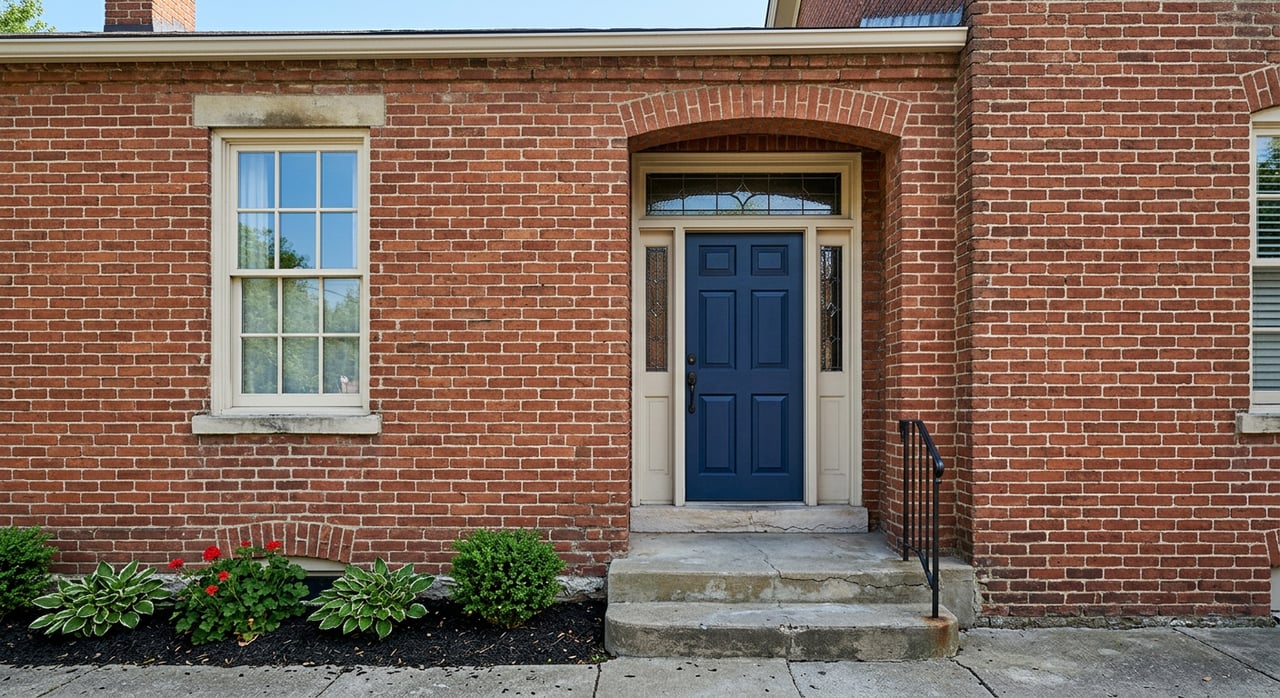
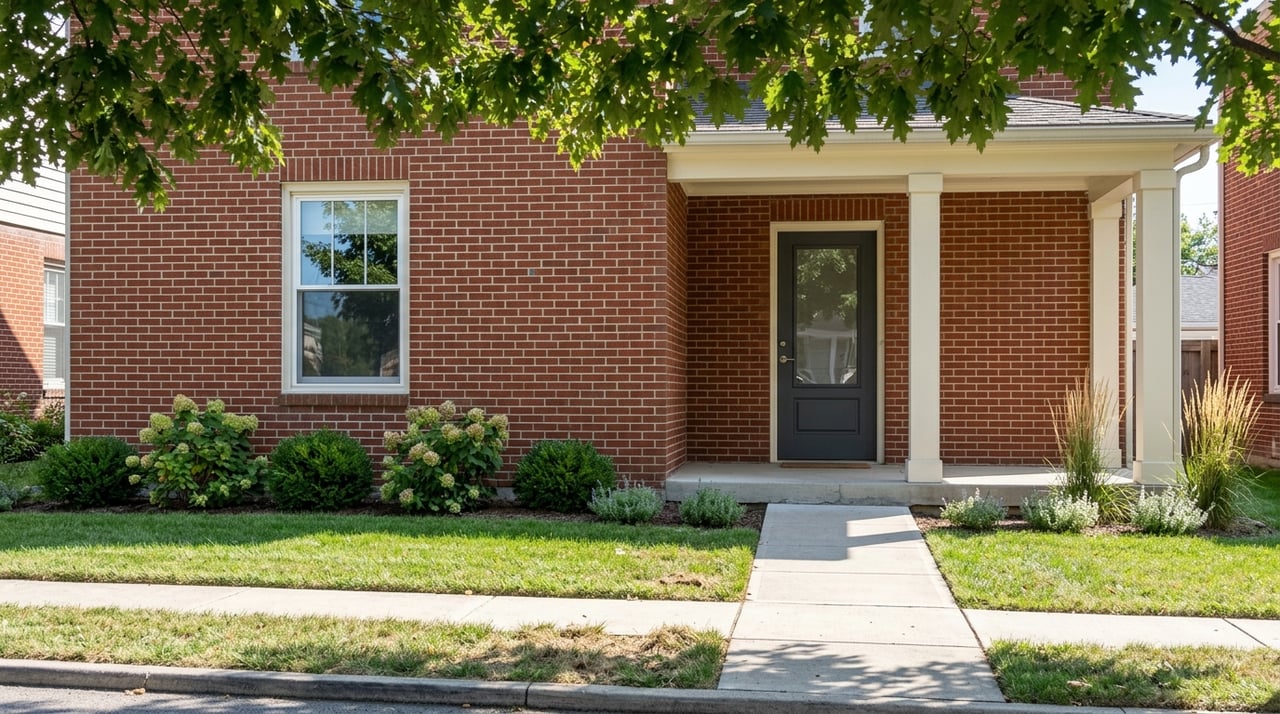
- City neighborhoods often feature historic brick single-family homes, classic rowhouses, and urban lofts and condos, with several formal historic districts that add architectural character.
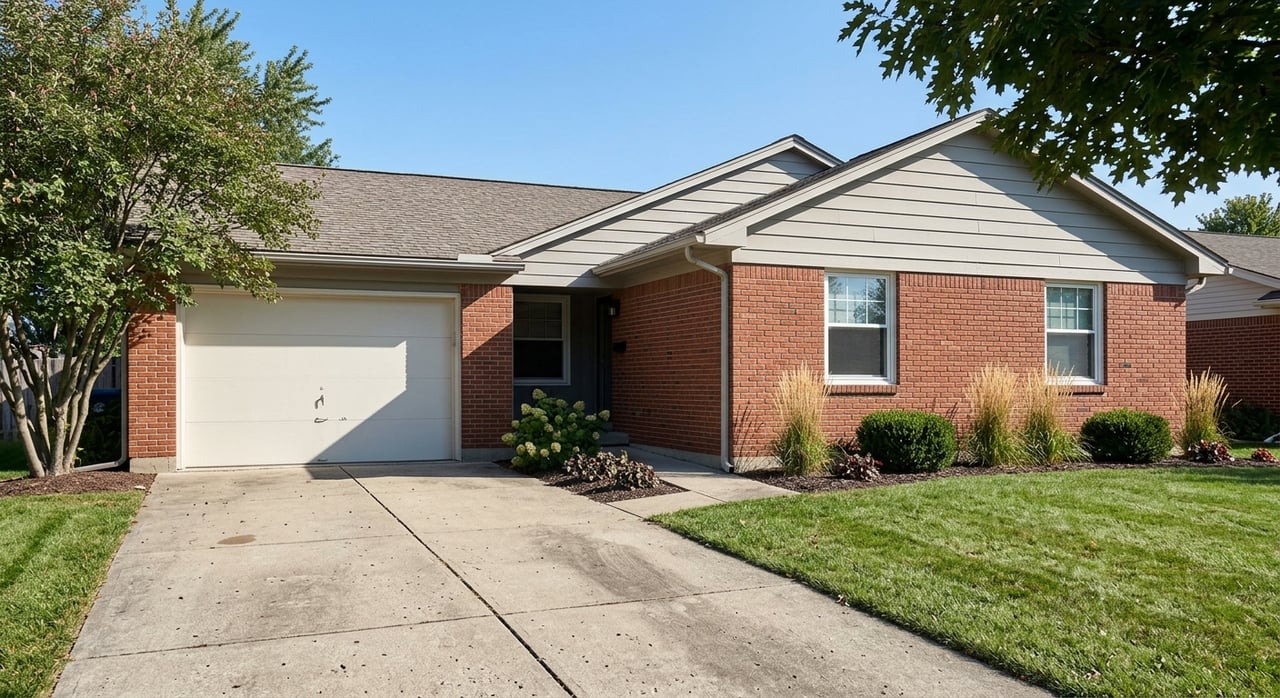
- Florissant offers many post-war single-family homes with modest yards and a few townhome and condo options.
- Oakville tends to have predominantly single-family homes with larger lots and many 1970s–1990s builds plus newer pockets.
Commute times and transit access
Average one-way commute times from the American Community Survey give a helpful baseline:
- St. Louis city: about 22 minutes on average
- Florissant: about 26 minutes on average
- Oakville: about 27 to 28 minutes on average
These are means across all workers and modes. Your actual time can vary by neighborhood, job location, and time of day. You can view ACS context for the city here: U.S. Census QuickFacts for St. Louis city.
Transit is strongest in the city and inner corridors along MetroLink and frequent MetroBus routes. Some outer suburbs rely more on driving. For a practical view of what a car-free or transit-light lifestyle looks like in St. Louis, see this local explainer: How to get around St. Louis without a car.
Tip: If transit matters to you, map your exact commute by time of day and test it twice during peak hours. If you plan to drive, do the same with your preferred routes.
Schools and family considerations
School systems and attendance boundaries are a top filter for many buyers. Most of Florissant is served by Ferguson-Florissant R-II, and much of Oakville is served by Mehlville R-IX. The City of St. Louis includes St. Louis Public Schools, magnet programs, charter options, and private choices.
Performance, programs, and capacity change over time. Always verify boundaries and review current state report cards and district updates before you buy. As a starting point, see the Ferguson-Florissant district site for contacts and resources: Ferguson-Florissant R-II.
Safety and street-level checks
Crime is highly place-specific. Citywide headlines do not describe every block. City officials reported overall crime decreases in recent annual comparisons, which is encouraging, while suburban municipalities often report lower per-capita violent crime. No matter where you look, focus on recent, neighborhood-level trends and your own on-the-ground impressions.
- Read the city’s summary update: Crime continues to decrease, City of St. Louis.
- Review current neighborhood data and maps on the police dashboard: SLMPD CompStat and reports.
Walk the block at different times, talk with neighbors, and review recent 12-month trends for the exact area you are considering.
Taxes and ongoing homeowner costs
Missouri assesses residential property at a statutory percentage of market value before applying local levies. For residential property, the commonly cited assessment level is 19 percent of market value. You can read a state reference describing that residential assessment level here: Missouri State Tax Commission reference.
Your final bill depends on the combined tax rate for your exact address and the districts that apply to it. The City of St. Louis publishes annual tax-rate tables that show how city rates are set each year: City of St. Louis property tax rates.
Plan for property taxes, homeowners insurance, utilities, and maintenance. Historic city homes can have different maintenance profiles than newer suburban homes. Budget accordingly and ask your agent for recent utility and tax information when available.
Lifestyle and amenities
City living offers walkable access to restaurants, museums, and parks, including major cultural anchors like Forest Park. Many buyers choose the city for shorter commutes and a variety of housing types close to work or school.
Suburban living often means more yard space, garages, and a drive-oriented routine. In Florissant and Oakville, you will find neighborhood parks, nearby shopping, and quick highway access. Choose based on how you want to spend your weekdays and weekends.
Quick comparison: city vs two suburbs
| Area | Housing types | Price signal (source, early 2026) | Mean commute (ACS) | Main districts | Transit notes | Lifestyle snapshot |
|---|---|---|---|---|---|---|
| St. Louis city | Historic single-family, rowhouses, lofts/condos | Citywide typical value mid-$200ks (Zillow ZHVI) | ~22 minutes | St. Louis Public Schools, plus magnet/charter/private | Stronger MetroLink/MetroBus coverage in core | Walkable neighborhoods, culture, shorter trips |
| Florissant | Mostly post-war single-family, some condos/townhomes | Low-$200k median range (varies by provider) | ~26 minutes | Ferguson-Florissant R-II | MetroBus options; many residents drive | Entry-level single-family, neighborhood parks |
| Oakville | Predominantly single-family, larger lots, 1970s–1990s builds + newer pockets | Roughly $315k–$349k median range | ~27–28 minutes | Mehlville R-IX | Limited bus service; car-dependent | Suburban space, quick highway access |
Note: Price figures differ by metric and time window. Use your agent’s MLS comps for the most current neighborhood-level data.
A step-by-step framework to choose your best fit
- Budget and ongoing costs
- Set a top purchase price and include property taxes, insurance, utilities, and typical maintenance for your target home type. Ask your agent to pull recent tax figures for specific addresses.
- Commute test
- Decide your max one-way time. Test drive your route twice at peak times. If you will use transit, test the trip at your actual arrival time.
- Schools and childcare
- Confirm attendance boundaries with the district and review the latest state report card. Schedule school visits and ask about programs, transportation, and capacity.
- Safety and street-level checks
- Review recent neighborhood-level data on official dashboards, then visit blocks at different times to confirm your comfort.
- Housing type and maintenance tradeoffs
- Older city homes offer character and location but may need more upkeep. Suburban homes usually add yard and garage space but reduce walkable retail. Build a repair and upgrade budget from disclosures and inspections.
- Lifestyle and amenities
- List your top 5 weekly activities. Choose areas that minimize friction for those routines, whether that is parks, dining, schools, or highway access.
- Verify comps with a local expert
- Ask for multiple sold comps within 1–3 miles from the past 3–6 months. Focus on days on market, price reductions, and inspection trends.
Next steps
The right choice is the one that fits your daily life, budget, and long-term plans. If you want a clear, data-backed plan and a fast, smooth path to closing, reach out to our local team. We will compare neighborhoods, run comps, and coach you through each step so you can buy with confidence.
Ready to explore homes or get an instant read on your equity? Connect with The Closing Pros for a no-pressure consult or to get your free instant home valuation.
FAQs
How do St. Louis city home prices compare to nearby suburbs?
- City typical values often show in the mid-$200ks, Florissant often lands in the low-$200ks, and Oakville commonly ranges from the low-to-mid $300ks depending on the data window and source.
What is the average commute time in St. Louis city vs suburbs?
- ACS averages suggest about 22 minutes in the city, around 26 minutes in Florissant, and roughly 27 to 28 minutes in Oakville, with real-world times varying by route and hour.
How should I evaluate schools before buying in the St. Louis area?
- Verify attendance boundaries, read the latest state report cards, and visit schools; start with each district’s website and speak directly with staff about programs and capacity.
Is St. Louis city safe compared to the suburbs?
- Safety varies by neighborhood; use recent precinct or neighborhood dashboards, review 12-month trends, and visit at different times to assess the exact block you are considering.
How are Missouri property taxes calculated for homeowners?
- Residential property is typically assessed at 19 percent of market value, then multiplied by combined local tax rates that vary by address and taxing districts.