Love brick, big porches, and streets lined with mature trees? In St. Louis, you can find all that character on the same block. If you are drawn to older homes but unsure how to tell a bungalow from a Foursquare, or what permits you might need, you are not alone. This guide gives you simple visual cues to spot the major historic home styles in the City of St. Louis, where you will commonly find them, and the upkeep and permitting basics to budget for. You will also learn where to look for walkable options and how incentives can shape your renovation plans. Let’s dive in.
How St. Louis became a brick city
St. Louis grew in waves, and each one left a different housing footprint. The city’s preservation plan highlights a deep mix of vernacular brick two-story houses, worker cottages, bungalows, Foursquares, and ornate Victorian townhouses that vary block by block. You can explore that local catalog of house types in the city’s resource, A Preservation Plan for St. Louis: Property Types. For an overview of development patterns and why brick is so common, review the city’s Property Types guide.
If a home sits in a local historic district, exterior changes visible from the street require review by the City’s Cultural Resources Office. That can affect windows, porches, additions, and more. Before you plan exterior work, check the Cultural Resources Office overview for contacts, maps, and standards.
Spot the styles on your next tour
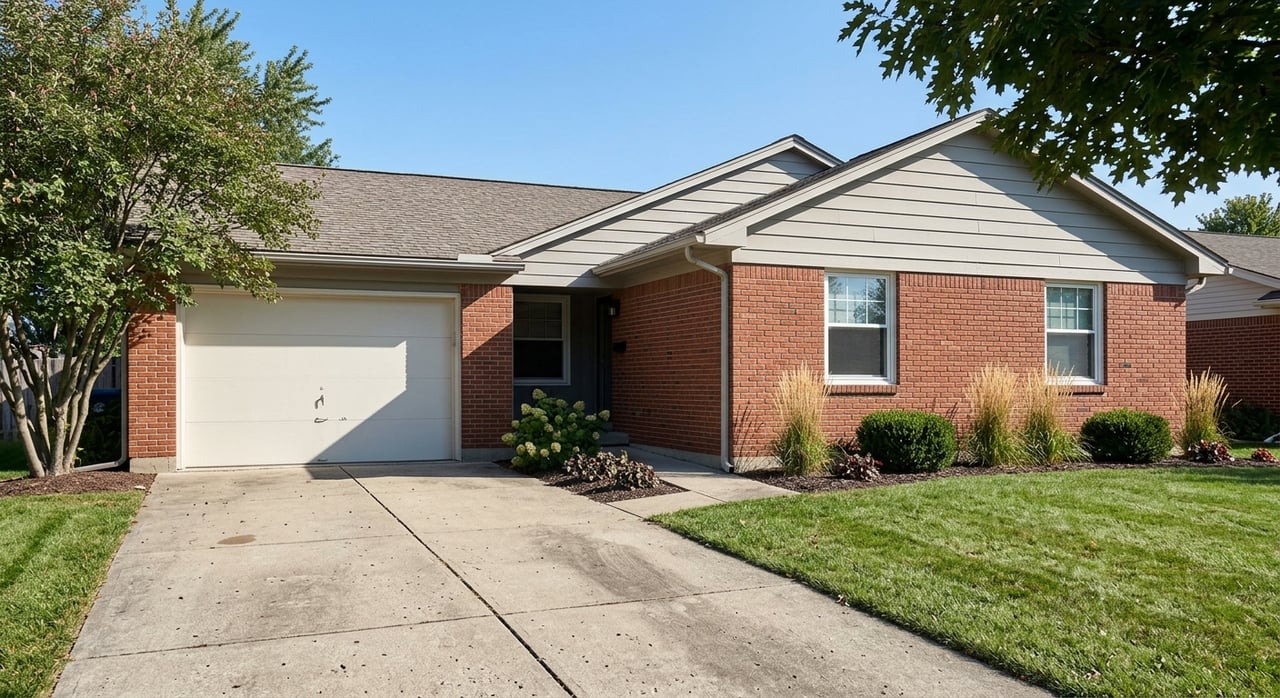
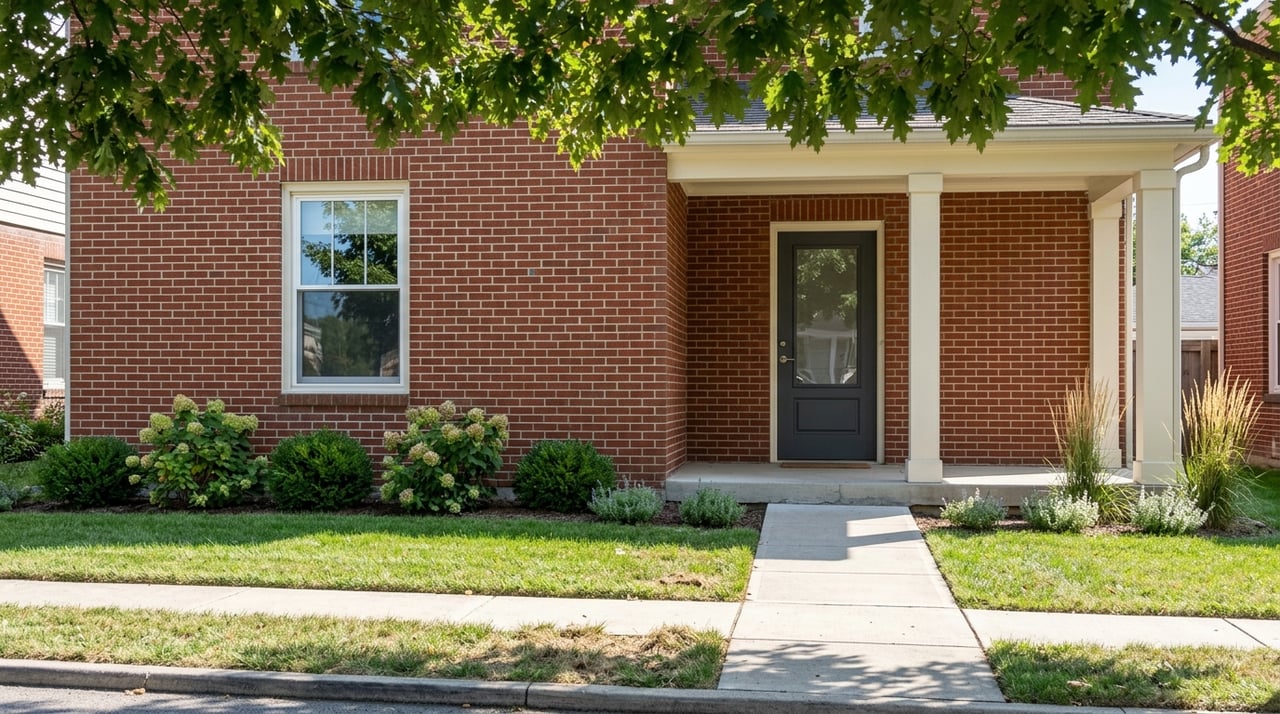
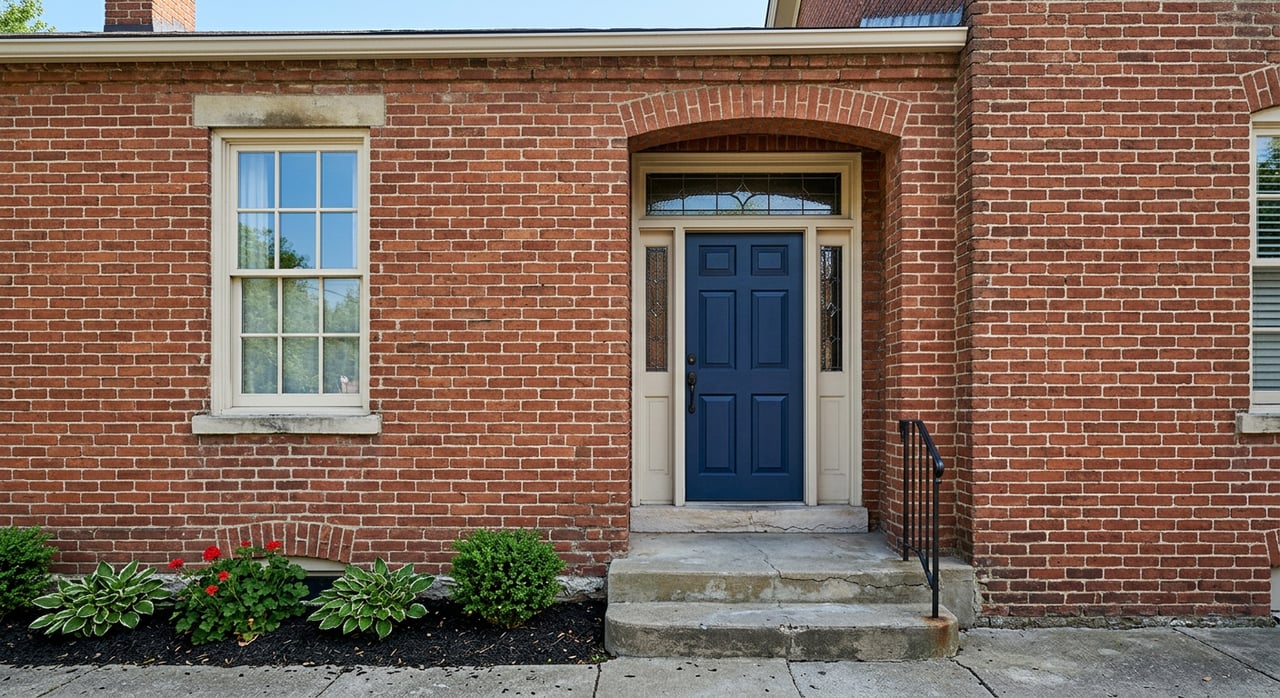
Brick two-story vernacular
You will see these classic St. Louis two-stories across the south and central city. They often stand on narrow lots and feature full or half-width front porches, tall second-floor windows, and decorative brickwork.
- Visual cues:
- Brick corbelling or patterned brick at the cornice
- Soldier-course brick headers above windows
- Elevated terraces or porches
- Where common: Mount Pleasant, the Dutchtown and Tower Grove corridors, Benton Park, and parts of Gravois Park.
- Why buyers like them: Durable masonry, high ceilings, and walkable streetscapes with short setbacks.
For deeper context on how these forms developed locally, see the city’s Property Types guide.
Bungalow and Craftsman
Built mostly in the 1910s through the 1930s, these homes are compact and efficient with strong curb presence. Local examples often blend Craftsman details with St. Louis brick bases and piers.
- Visual cues:
- Low-pitched gable roofs with wide eaves
- Exposed rafter tails or decorative brackets
- Large covered front porch on tapered or brick piers
- Where common: South-city neighborhoods near Tower Grove Park and Forest Park, including Bevo Mill and Mount Pleasant.
- Why buyers like them: Manageable footprints and floor plans that modernize well.
American Foursquare
Boxy, practical, and popular from the 1890s to the 1930s, Foursquares deliver generous interiors on city lots.
- Visual cues:
- Two or two-and-a-half stories with a near-square footprint
- Large front porch spanning the facade
- Central dormer facing the street
- Where common: Middle-class blocks across the city and first-ring streetcar neighborhoods.
- Why buyers like them: Efficient layouts with four-room plans per floor and strong street presence.
Shotgun houses and worker cottages
These modest forms date from the late 19th and early 20th centuries and show up in pockets citywide.
- Visual cues:
- Very narrow frontage
- Front and back doors aligned in a straight line (shotgun)
- Simple gable or parapet roofs, minimal ornament
- Where common: Scattered across older working-class areas and documented in National Register districts such as Forest Park Southeast. See the Forest Park Southeast Historic District description for examples.
- Buyer notes: Creative renovation potential and lower entry prices, but rooms can be small and egress or services may need thoughtful updates.
Victorian townhouses and high style
If you love ornate details, look here. Italianate, Second Empire, and Queen Anne forms line streets in several landmark districts.
- Visual cues:
- Bracketed eaves and elaborate cornices
- Mansard roofs on Second Empire townhouses
- Asymmetry and textured surfaces in Queen Anne designs
- Where common: Lafayette Square, Soulard, Benton Park, Compton Heights, and the Central West End. Check the city’s Certified Local Historic Districts list to explore district protections.
- Buyer notes: Exceptional curb appeal and detailing. Expect design standards for exterior work in many of these districts.
Other local forms to know
St. Louis also offers classic brick duplexes, four-family walk-ups, and small apartment buildings along older streetcar routes. You will also find small vernacular cottages and later infill on redeveloped lots. For a quick visual primer on these local types, revisit the city’s Property Types guide.
Where to find character and walkability
You can find historic homes across the city, though styles and conditions vary by block. A few reliable starting points:
- Central West End. Early 20th-century architecture with apartments and townhouses near a walkable commercial spine. The area is a certified local historic district. Browse the city’s district list and maps.
- Lafayette Square, Soulard, and Benton Park. Dense Victorian-era rows with strong Italianate and Second Empire details.
- Tower Grove South, Tower Grove East, Mount Pleasant, and Bevo Mill. A rich mix of bungalows, brick two-stories, and Foursquares near Tower Grove Park and major corridors.
- Forest Park Southeast and The Grove. Worker cottages, brick vernacular, and infill near Forest Park and entertainment options. The district’s National Register documentation highlights its style mix.
- The Ville and north-side pockets. Rows of smaller bungalows, Foursquares, and closely spaced cottages in historic working-class neighborhoods.
Buyer takeaway: Character is concentrated but never uniform. Always confirm if a property sits in a local historic district before planning exterior work, and reach out to the Cultural Resources Office early about permits and timelines.
What to expect with maintenance and permits
Older homes offer lasting materials and craftsmanship. They also come with upkeep you should plan for during inspections and budgeting. Use this section as a practical checklist.
Masonry, mortar, and porches
Brick is a signature St. Louis material. In our freeze–thaw climate, mortar and brick that were painted or cleaned improperly can trap moisture.
- What to watch for: Failing mortar joints, hairline cracks, spalling brick, and porch or cornice movement.
- Smart move: Ask for tuckpointing records and any water-intrusion history. Include masonry in your inspection. Avoid abrasive cleaning methods. For best practices, review the NPS brief on cleaning and repointing historic masonry.
Roofs, cornices, and porches
Roofs, visible cornices, and porch elements often need attention.
- What to watch for: Aging shingles or tiles, soft porch columns or steps, and metal or wood cornice repair needs.
- Smart move: Verify roof age in disclosures and inspection. If the home is in a local district, plan for visible elements to meet standards. See NPS guidance on roofing and related topics before you scope work.
Windows and efficiency
Original wood windows are character-defining, but they can be drafty.
- What to watch for: Failing glazing, sash cords, and air leaks.
- Smart move: Prioritize repair and weather-stripping, add storms where appropriate, and consult NPS guidance on energy upgrades in historic buildings. Full replacement can trigger district review and may affect incentive eligibility.
Electrical, plumbing, and HVAC
Expect some systems to need modernization in pre-mid-20th-century homes.
- What to watch for: Undersized panels, older wiring, galvanized or cast-iron plumbing, and dated HVAC.
- Smart move: Order an inspection that calls out panels, service size, sewer lines, and supply pipes. Get quotes for negotiated repairs. Lenders or insurers may require certain upgrades.
Environmental hazards
Pre-1978 homes can have lead-based paint, and older homes may include asbestos in some materials. Radon levels vary and are easy to test.
- What to watch for: Peeling paint, suspect insulation or floor tiles, and radon test results during inspection.
- Smart move: For lead safety and required practices during renovation, read the EPA’s Lead Renovation, Repair and Painting rules. Use certified contractors when required and test before disturbing suspect materials.
Foundations and drainage
Older stone, brick, or early concrete foundations can show settlement or moisture issues.
What to watch for: Step cracks, efflorescence, bowed walls, and interior water stains.
Smart move: Include structural elements in the inspection when signs appear. Maintain grading, downspouts, and drainage. For moisture best practices, consult NPS preservation by topic.
Historic-district review and timing
If the home lies in a local historic district or is a City Landmark, many exterior changes will need review.
- What to watch for: Visible window changes, porch alterations, additions, and demolition requests.
- Smart move: Contact the Cultural Resources Office early to confirm standards, submittals, and timelines.
Incentives and tax credits
Rehabilitation incentives can change your budget math, especially on larger projects.
- Federal historic tax credit: A 20 percent credit applies to certified rehabilitations of income-producing historic structures.
- Missouri Historic Preservation Tax Credit: Missouri offers a state credit for qualifying rehabilitation projects. Rules differ by project type, and owner-occupied residential projects may qualify subject to caps and application steps. Review the state program via the Missouri DED’s Historic Preservation Tax Credit page. Early engagement on Parts 1, 2, and 3 matters.
Your pre-offer checklist
Use this quick list to reduce surprises and strengthen your offer:
- Confirm if the property is in a local historic district or a City Landmark and reach out to the Cultural Resources Office about exterior work.
- Order a full inspection focused on roof, foundation, masonry, electrical service, and plumbing. Call out older panels, cast-iron sewers, and galvanized supply lines.
- For pre-1978 homes, verify you received the EPA/HUD lead information pamphlet and consider lead testing if you plan renovations. Review the EPA’s RRP rules.
- If major rehab is likely, contact the Missouri DED early about Historic Preservation Tax Credits and coordinate with the State Historic Preservation Office on certification steps.
- Budget for masonry repointing, roof work, and potential service upgrades. Obtain quotes during inspection.
How we help you buy the right historic home
You deserve a team that understands both the character and the checklist. We guide you to the right blocks for your goals, flag hidden costs early, and coordinate inspections, permitting conversations, and renovation planning. Our contractor relationships and renovation coordination help you scope work confidently and move from offer to closing with fewer surprises. If you want a brick two-story near Tower Grove or a Victorian townhouse in a protected district, we will tailor the search and the process to fit you.
Ready to explore historic St. Louis with a local team that blends neighborhood expertise and operator-level execution? Connect with The Closing Pros to start your search.
FAQs
What are the main historic home styles in St. Louis?
- You will commonly see brick two-stories, bungalows, American Foursquares, shotguns and worker cottages, and higher-style Victorian townhouses documented in the city’s preservation resources.
How do I know if a home is in a local historic district?
- Check the City of St. Louis Cultural Resources Office website for maps and district lists, then confirm with staff before planning exterior work.
What permits or reviews will I need for exterior changes?
- In local districts or for City Landmarks, exterior changes visible from the street typically require Cultural Resources Office review and must meet district standards.
Can I improve energy efficiency without replacing original windows?
- Yes; prioritize repair, weather-stripping, and storm windows, and follow NPS guidance to retain character while improving performance.
What inspections should I prioritize on an older St. Louis home?
- In addition to a general inspection, focus on masonry, roof, foundation, electrical service and panels, cast-iron or galvanized plumbing, and potential environmental hazards like lead, asbestos, and radon.
Are there incentives for renovating a historic St. Louis home?
- Income-producing historic properties may qualify for the federal credit, and Missouri offers a state Historic Preservation Tax Credit program for qualifying projects; engage early to confirm eligibility and steps.