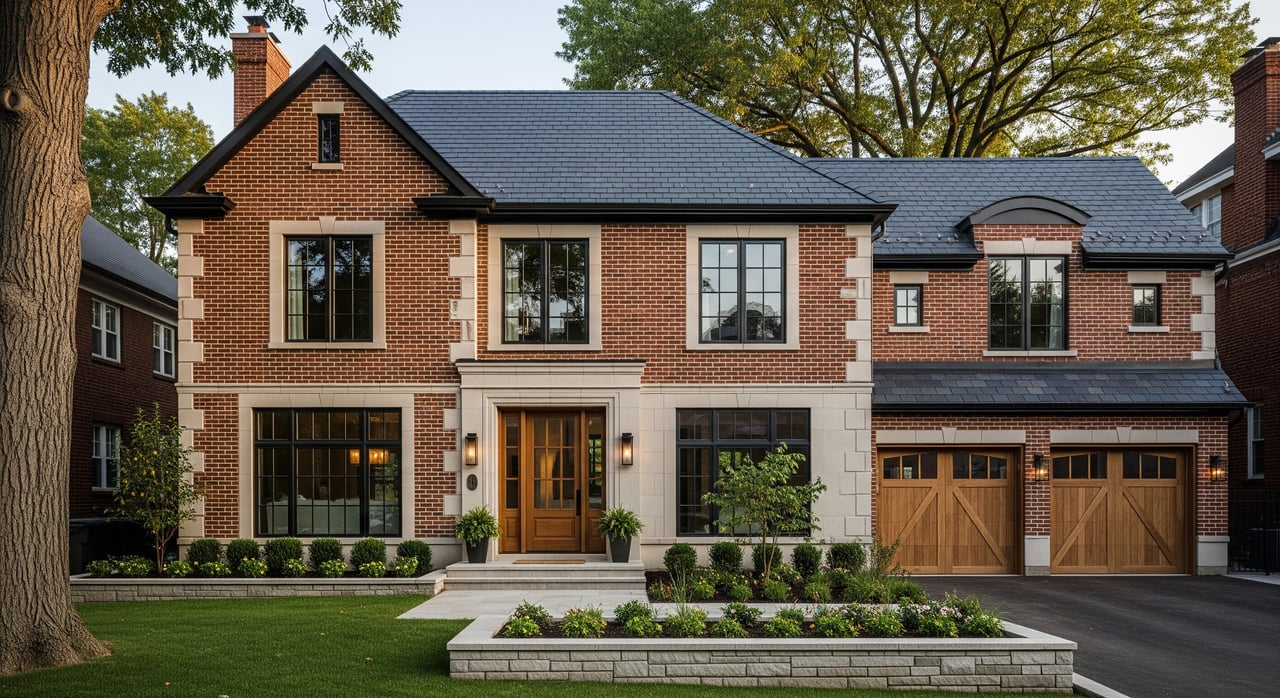
Thinking about selling your Oakville home and wondering which fixes actually move the needle? You’re not alone. The right updates can lift your list price and reduce days on market, while the wrong ones drain time and cash. In this guide, you’ll learn which projects most often pay off in Oakville, how to run simple ROI math, what permits you may need, and how to keep your prep tight and targeted. Let’s dive in.
Oakville market reality for ROI
Oakville is an unincorporated area in south St. Louis County. You compete with nearby suburban homes across the St. Louis metro, so buyer expectations are driven by local comparables, commute needs, and the condition of similar homes. In this market, buyers value move‑in‑ready condition and clean, modern finishes.
Interest rates, inventory, and buyer demand shape ROI. When inventory is tight, modest cosmetic improvements can punch above their weight. When inventory grows or rates squeeze budgets, you’ll want to spend conservatively and focus on high‑impact, lower‑cost updates.
Energy efficiency and updated mechanicals matter more each year. Serviced systems and lower operating costs can prevent repair credits and help you secure stronger offers.
Upgrades that usually pay in Oakville
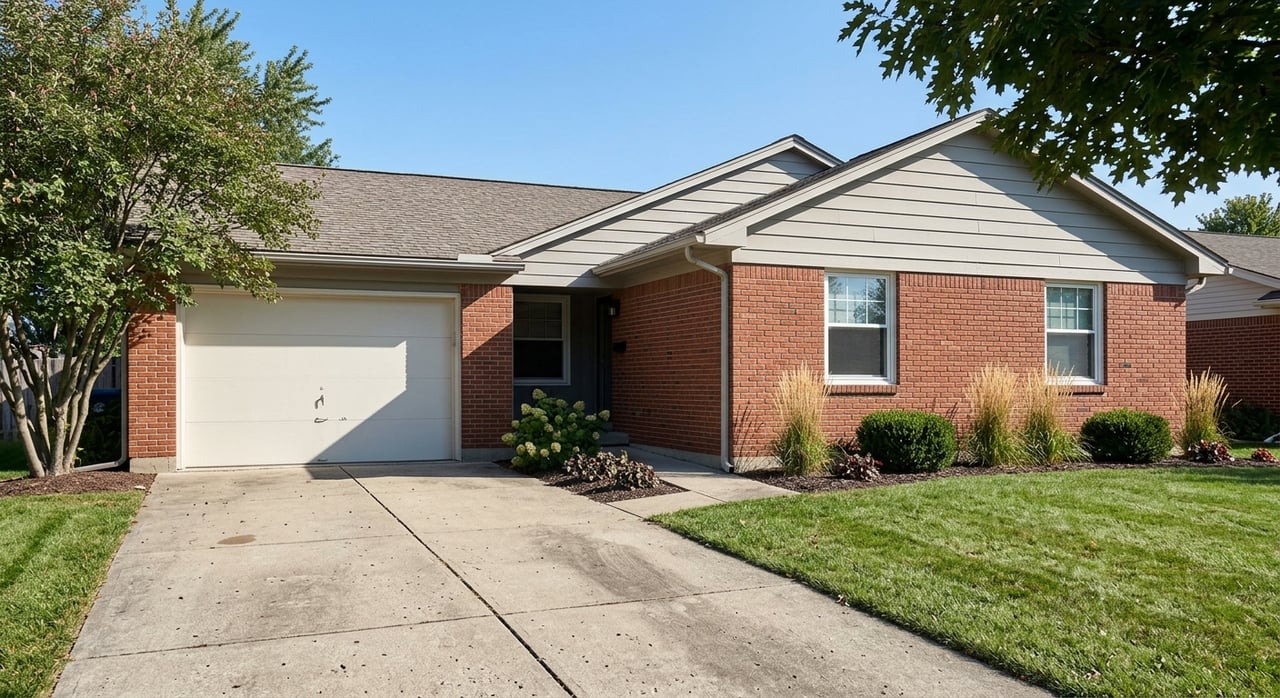
Curb appeal and exterior first
First impressions drive clicks and showings. Small exterior updates often deliver big results.
- Power wash siding and walks; tidy and mulch landscape beds.
- Refresh the front door with paint and new hardware.
- Update house numbers, mailbox, and lighting.
- Evaluate the garage door. Replacement or a pro refresh can be high ROI.
Why it works: Exterior improvements show up in photos and at the curb. These projects are relatively low cost and signal a well‑kept home.
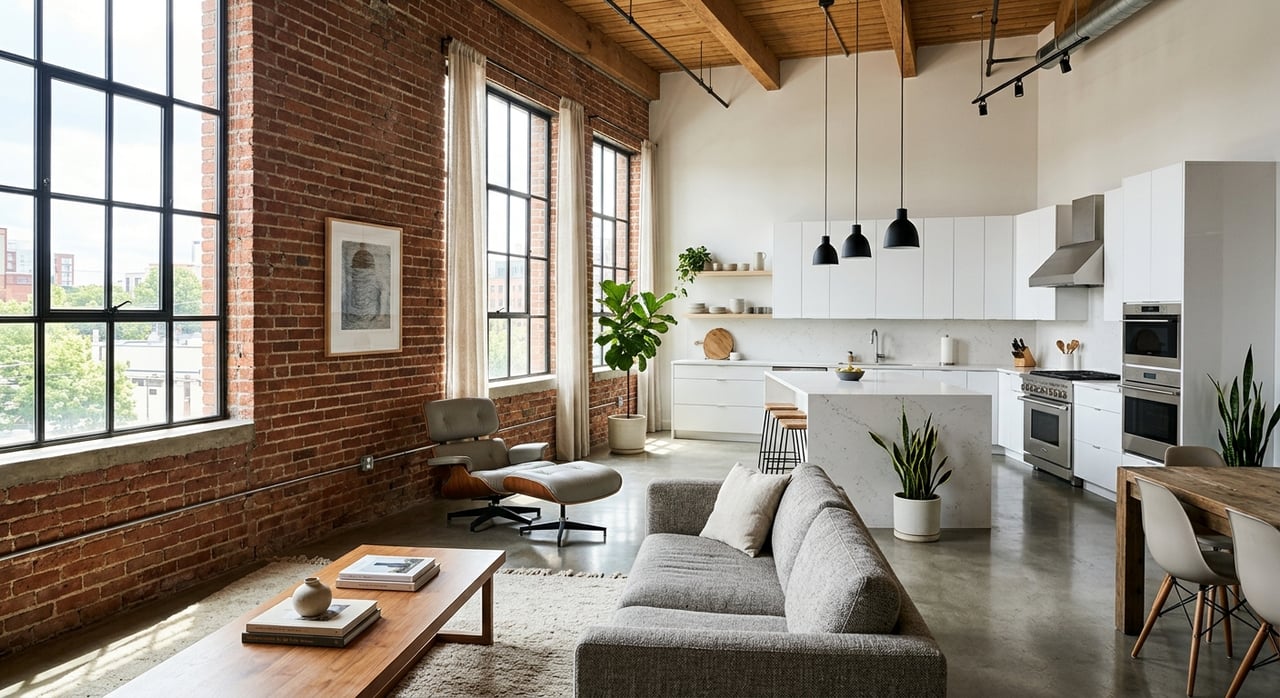
Cosmetic kitchen updates
Kitchens sell homes, but full gut remodels rarely pay back before a sale. Focus on surface‑level updates.
- Paint or reface cabinets and add modern hardware.
- Install new countertops and a simple backsplash.
- Swap dated lighting and consider mid‑range appliances if current ones look tired.
- Deep clean and declutter to showcase space.
Why it works: Minor kitchen remodels often recoup a higher percentage of cost than major builds. Keep finishes durable and neutral to appeal to the widest pool.
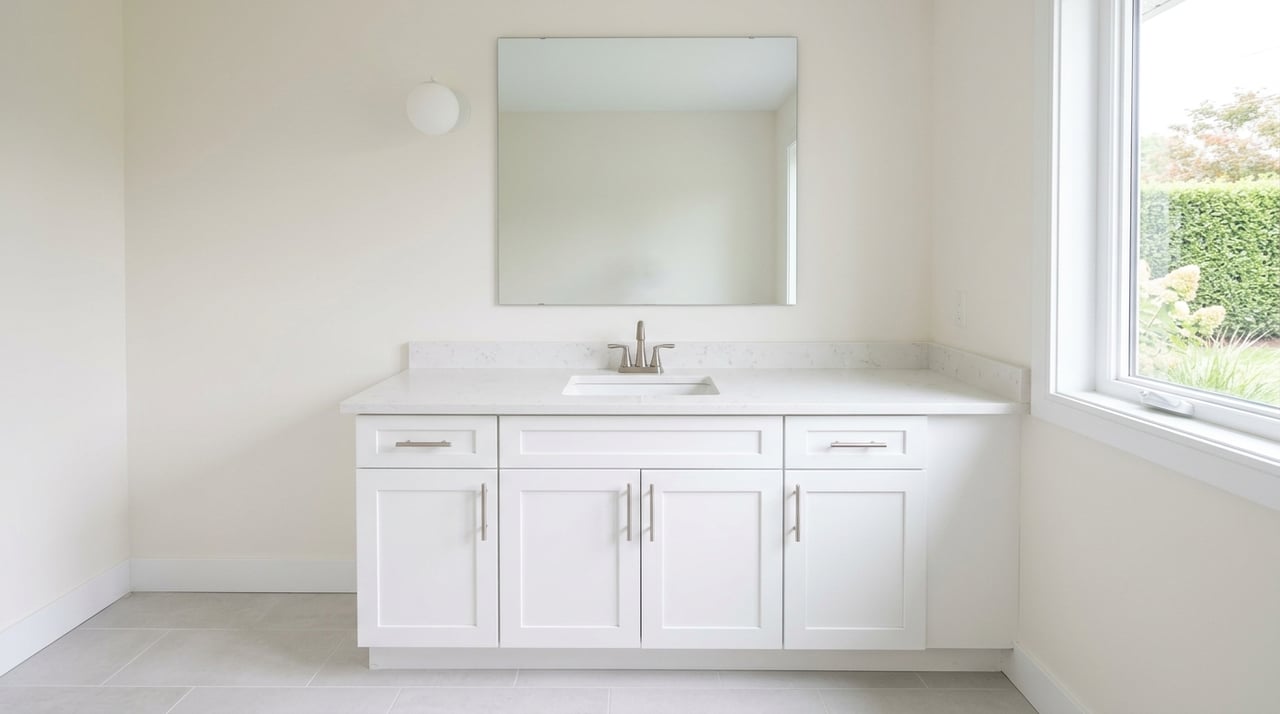
Bathroom refreshes
You do not need a full rebuild to make a bath feel new.
- Replace vanities, mirrors, faucets, and lighting.
- Re‑grout tile or reglaze the tub for a clean look.
- Update flooring where worn or dated.
Why it works: Clean, functional bathrooms reduce buyer objections and help your home feel move‑in‑ready.
Paint, flooring, and simple cosmetics
Few updates change perception as quickly as fresh paint and consistent flooring.
- Use neutral, light paint throughout for a unified feel.
- Replace worn carpet. Consider luxury vinyl plank or engineered hardwood in living areas.
- Refinish original hardwoods where practical.
Why it works: These are lower‑risk, broad‑appeal upgrades that make photos pop and showings smoother.
Systems and inspection‑ready condition
Buyers and inspectors zero in on roofs, HVAC, electrical, and plumbing.
- Service HVAC and address any visible issues.
- Repair roof leaks or replace a nearing end‑of‑life roof.
- Correct electrical hazards and plumbing leaks.
- Consider a pre‑listing inspection to uncover surprises.
Why it works: While these may not add to your asking price, they reduce repair credits and protect your net proceeds.
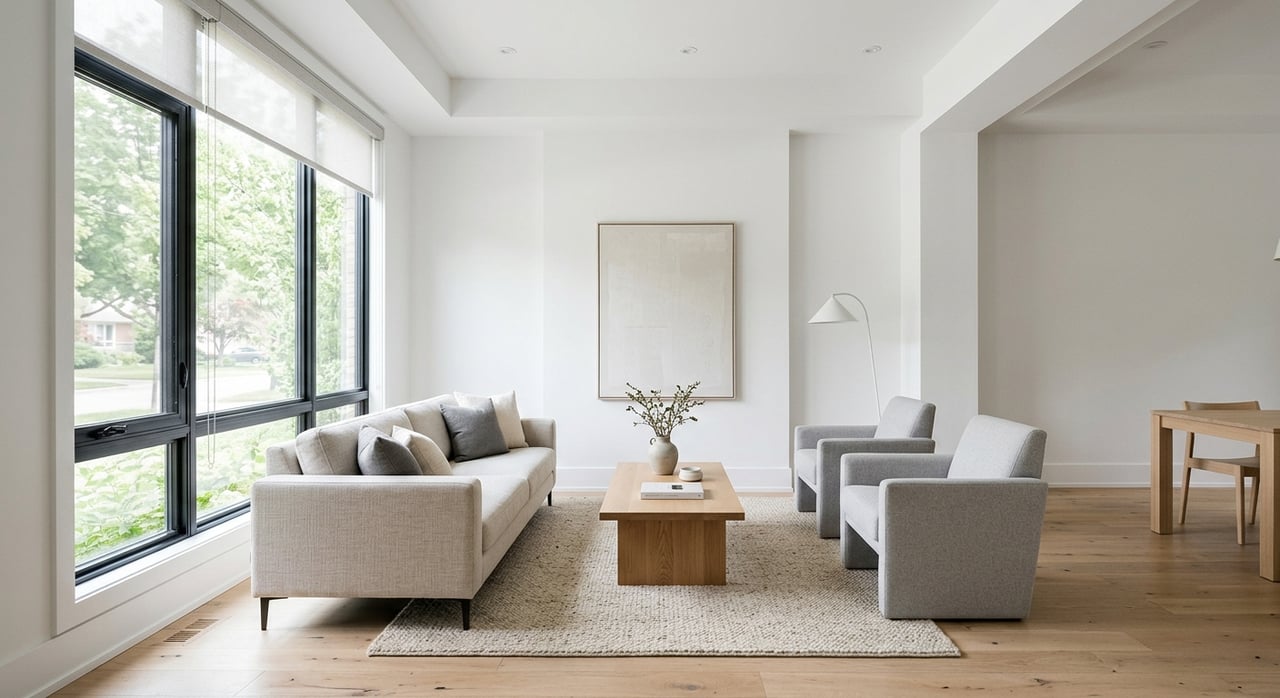
Staging and professional photography
Presentation matters. Staging is often the highest ROI lever.
- De‑personalize and stage key rooms like the living room, primary bedroom, and kitchen.
- Use professional photography and a simple virtual tour.
Why it works: Better photos increase traffic. Staged spaces feel larger and more current, which can shorten time on market.
Think twice on major structural changes
Room additions, moving walls, or full kitchen expansions take time, require permits, and can push you beyond neighborhood norms. These can add value but carry higher cost and uncertainty. Use local comps to confirm if added square footage will truly pay off before you commit.
Do the math before you swing a hammer
A simple ROI framework helps you decide where to spend:
- Start with your estimated price increase after the update.
- Subtract the renovation cost, including labor and materials.
- Subtract carrying costs for the extended timeline. Include mortgage interest, taxes, insurance, utilities, and lawn care.
- Subtract transaction costs tied to a higher sale price, including commission.
If what is left is a meaningful net gain, the project may be worth doing. If not, shift toward paint, flooring, staging, and repair items that protect your net.
Quick decision steps
- Pull local comps in Oakville within the same subdivision or a quarter‑mile. Note which features commanded higher prices.
- Get 2 to 3 written contractor bids for each priority project with clear timelines.
- Add holding costs if work will delay your list date. Time is money in a changing market.
- Compare staging plus cosmetic fixes against larger renovations. Many sellers get better speed and returns with this lighter approach.
- Consult a local listing agent to confirm neighborhood thresholds and buyer expectations.
Costs and timelines at a glance
Every home and contractor is different, but these ballparks help with planning. Expect local St. Louis labor and materials to differ from national averages, so confirm with bids.
- Minor kitchen refresh: 5,000 to 25,000
- Midrange kitchen remodel: 25,000 to 75,000+
- Bathroom refresh: 3,000 to 15,000
- Garage door replacement: 1,000 to 4,000
- Full interior painting: 2,000 to 8,000
- New LVP or engineered hardwood: 3 to 10 per sq. ft. installed
- Landscaping refresh: 500 to 10,000
- Roof replacement: 5,000 to 15,000+
Typical timelines:
- Paint, flooring, staging: 1 to 3 weeks
- Minor kitchen or bath refresh: 2 to 6 weeks
- Larger remodels or additions: several weeks to multiple months
Build a 10 to 20 percent contingency for change orders and unexpected items.
Permits and inspections in unincorporated St. Louis County
Oakville falls under St. Louis County for building permits and inspections. Plan to obtain permits for structural changes, additions, new electrical circuits or service upgrades, significant plumbing changes, HVAC replacements in many cases, and full roof replacements. Always verify current requirements with the county before starting work.
Unpermitted work can delay closing and reduce buyer confidence. A standard pre‑listing inspection can help you prioritize repairs and confirm what needs permits or professional sign‑off.
What Oakville buyers want now
Local buyers often prioritize practical, durable finishes and a home that feels easy to maintain.
- Move‑in‑ready condition with clean lines and neutral colors.
- Durable flooring like LVP and solid‑surface countertops.
- Updated mechanicals and energy‑aware choices.
- Functional main living areas with flexibility for a home office.
- Reasonable storage and a kitchen layout that works.
Smart alternatives to big renovations
Sometimes the best move is not a major remodel.
- Price competitively and use strong staging to stand out.
- Offer a repair credit at closing for buyers who want to choose finishes.
- Consider listing as‑is if your priority is speed. Expect a discount, but you can trade repairs for timeline certainty.
A quick pre‑list checklist
Use this to focus your prep and avoid overspending.
Top 6 value‑add updates:
- Refresh curb appeal: front door paint, landscaping cleanup, lighting.
- Neutral interior paint and consistent flooring in main areas.
- Cosmetic kitchen updates: cabinet paint or refacing, counters, lighting.
- Bathroom touch‑ups: vanity, lighting, grout, reglaze where needed.
- Service HVAC and address roof or leak issues.
- De‑personalize, stage key rooms, and book pro photography.
Permit and compliance reminders:
- Structural changes and additions: confirm permits with St. Louis County.
- Electrical, plumbing, and HVAC changes: check permit requirements before work.
- Roof replacement: confirm if a permit or inspection is needed.
- Keep invoices, permits, and warranties organized for buyer review.
ROI prompts before you commit:
- What is the likely price range with and without this update?
- What do nearby comps show buyers will pay for this feature?
- Do we have 2 to 3 bids and a realistic schedule?
- What are our carrying costs if the project adds weeks to the timeline?
- Would staging plus paint and flooring achieve a similar outcome faster?
Getting strategic early helps you net more and move with confidence. If you want local numbers, contractor options, or a custom prep plan for your address, connect with us. The right plan can turn a few focused weeks into a stronger sale price and a smoother closing.
Ready to map your ROI before you spend? Talk to The Closing Pros for a local comp review, prep plan, and marketing strategy that fits your timeline. Get started at The Closing Pros.
FAQs
Which renovations have the best ROI in Oakville before selling?
- Curb appeal, neutral paint and flooring, cosmetic kitchen and bath updates, system repairs, plus staging and pro photos typically deliver the strongest returns.
Do I need a permit for a bathroom remodel in unincorporated Oakville?
- Cosmetic swaps often do not, but electrical, plumbing, structural, HVAC changes, and some replacements may require St. Louis County permits, so verify before work.
How much does it cost to paint and update flooring before listing?
- Whole‑home interior paint often runs 2,000 to 8,000, and LVP or engineered hardwood typically runs 3 to 10 per sq. ft. installed, depending on scope and materials.
Should I replace carpet with LVP before I sell?
- If carpet is worn or dated, replacing with durable, neutral LVP in key living areas usually improves photos and appeal, which can support better offers.
Is staging really worth it in Oakville?
- Yes; staging and professional photography are often the highest‑ROI steps, boosting perceived value and reducing days on market at a relatively low cost.