Trying to decide whether to list your St. Louis home this spring or wait until fall or winter? You are not alone. Timing your sale can shape price, days on market, and how you negotiate. In this guide, you will learn what changes season to season in St. Louis, how neighborhood and price tier matter, and the smartest steps to prep your home for either window. Let’s dive in.
Spring vs. off-season: what changes
Demand and competition
Spring typically brings more buyers into the market and more homes to compete with. You can see more showings and a higher chance of multiple offers in active submarkets. At the same time, you face more comparable listings, so pricing and presentation must stand out.
In the off-season, especially late fall and winter, both buyer traffic and new listings usually dip. The buyers who remain are often motivated by job changes, relocation, or a defined timeline. With fewer new listings, you can face less direct competition if your price and marketing are aligned with local demand.
Price and speed
In many St. Louis areas, spring listings move faster and can achieve stronger terms in competitive micro-markets. More activity can create momentum for well-prepared homes. However, higher spring inventory can temper price gains if demand softens.
Off-season sales often take longer, and some sellers use strategic price positioning to draw in a smaller buyer pool. In neighborhoods with steady year-round demand or limited inventory, strong prices are still achievable if presentation, pricing, and access are dialed in.
Buyer profiles and financing
Spring attracts a broader mix of buyers, including first-time buyers, move-up families, and investors. Off-season buyers are often on firm timelines, such as relocations or investment windows, and may negotiate differently on contingencies or closing dates.
Around major holidays, lender, appraisal, and title workloads can slow processing. If you plan to close in late November or December, build extra time into your contract period.
Marketing variables
Spring curb appeal and natural light make exterior photos and open houses shine. You can lean into outdoor living features, gardens, and patios. In the off-season, photography and staging strategy matter more. Focus on warm, bright interiors, twilight exteriors, and features that play well year-round such as energy efficiency, recent upgrades, and finished basements.
How St. Louis neighborhoods vary
Seasonality is not uniform across the metro. Neighborhood type and price tier shape the pattern you should expect.
- Family-oriented suburbs that track school calendars often lean more seasonal, with stronger spring demand as buyers aim for summer closings.
- Urban or investor-heavy areas can see steadier demand across the year, where timing plays a smaller role.
- Luxury segments are less predictable due to fewer transactions and specific buyer needs.
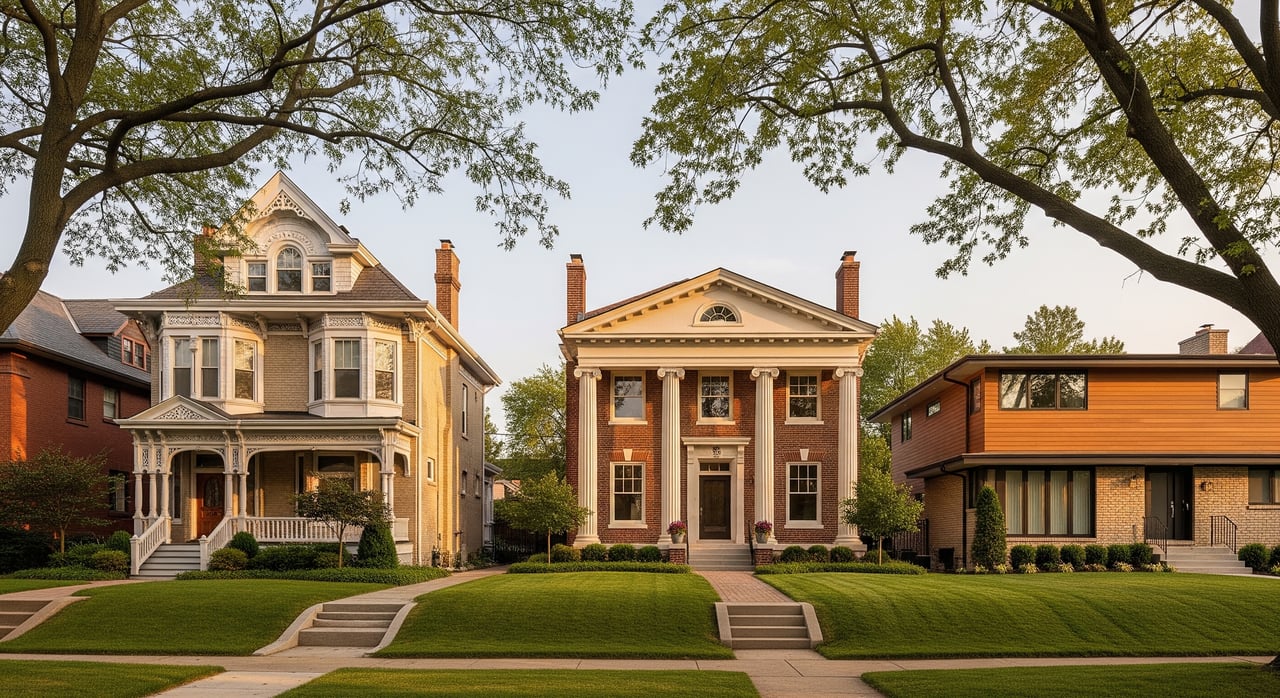
Examples of family-oriented areas include places like Clayton, Kirkwood, and Webster Groves, while many core city neighborhoods can see more even interest throughout the year. The best call for your home comes from current, neighborhood-level data rather than a citywide average.
If you want top price and a quick sale
If your priority is maximizing price and moving quickly, aim for late February through April when buyer activity typically ramps up.
- Complete major repairs and a prelisting inspection in winter so you are show-ready by late winter.
- Freshen landscaping as the weather turns and plan exterior photos once foliage improves.
- Price to the current spring inventory and the most recent comparable sales in your micro-market.
- Schedule professional photos, floor plans, and a virtual tour for maximum reach.
- Consider early pre-marketing if permitted by the MLS to build interest before going live.
If you need flexibility or less competition
If you value less competition or must sell in fall or winter, lean into a strategy tailored to motivated buyers.
- Set realistic expectations for days on market and showings. Position price to local demand.
- Offer convenient access for showings and be flexible on closing dates if possible.
- Invest in high-quality interior and twilight photography to offset dormant landscaping.
- Consider selective incentives, such as closing cost credits or rate buydowns, if they improve net proceeds.
- Use a pre-listing inspection and clear repair notes to reduce friction with a smaller buyer pool.
Pricing and negotiation strategy
- Spring: Expect more showings and possibly multiple offers in hot micro-markets. You can test an assertive, market-supported list price or a strategic under-market price designed to generate bids. Use current active competition and months of inventory to decide.
- Off-season: Price conservatively relative to limited buyer activity. Be ready to negotiate on repairs, contingencies, and closing timelines while staying focused on your bottom line.
- Year-round: Align your strategy with months of inventory, list-to-sale ratio, and nearby actives by bedroom count and condition. These metrics will guide whether to hold firm or make early adjustments.
Staging and marketing by season
Spring must-dos
- Highlight curb appeal with fresh mulch, trimmed shrubs, and a clean exterior.
- Maximize natural light by cleaning windows and using light window treatments.
- Showcase outdoor spaces with staged seating and simple planters.
- Host weekend open houses and leverage video and short-form content to widen reach.
Off-season must-dos
- Create a bright, warm interior with layered lighting and neutral, cozy textiles.
- Keep walkways safe and clear if snow or ice is possible.
- Remove clutter and reduce holiday decor to neutral accents.
- Emphasize upgrades, energy efficiency, storage, and livable lower levels.
- Lean on virtual tours and targeted digital marketing to reach buyers who browse online first.
Timeline and logistics
- School calendar: If you want a summer move-out, spring listing increases the odds of a June or July closing. If a mid-year move is necessary, off-season listing can work with the right pricing and access.
- Holidays and closings: Expect potential delays around late November, December, and early January. Build in extra time for appraisal, underwriting, and title.
- Property tax and assessments: Check the city or county schedule for assessments, appeal deadlines, and tax proration norms. If a new assessment could raise questions, plan messaging with your agent.
How to validate timing with local data
Seasonality shifts year to year. Ground your timing in current data for your neighborhood and price tier.
Key metrics to review for the past 24 to 36 months by month:
- Median list price and median sale price
- Days on market and sale price to list price ratio
- Active listings and new listings
- Months of inventory and number of closed sales
- Showing activity if available from the local MLS
Authoritative sources to consult include local MLS reports from St. Louis REALTORS, summaries from Missouri REALTORS, and broad trend context from national research portals. You can also track mortgage rate trends and local employment indicators to understand buyer affordability and demand.
Ready to choose your window?
If you want the simplest path, start with your non-negotiables. Decide if peak price and speed or flexibility and lower competition matter more, then shape your plan around data in your specific micro-market. With the right prep, pricing, and marketing, you can win in either season.
You do not have to plan this alone. Our team blends neighborhood expertise with an operator-grade process, investor reach, and renovation coordination to help you capture maximum value, in spring or off-season. To map your best listing window and net proceeds, connect with The Closing Pros.
FAQs
Should I always list in spring in St. Louis?
- Not always, because results depend on your neighborhood, price tier, current inventory, and your goals for timing and net proceeds.
Can I still get a strong offer in winter?
- Yes, motivated buyers remain active in winter and a well-priced, well-marketed listing can draw solid offers even with fewer showings.
How do I handle weak curb appeal in winter?
- Focus on bright, warm interiors, twilight photography, safe and clean walkways, and clear messaging about upgrades and energy efficiency.
Do holidays or mortgage rates change my timeline?
- Holiday periods can slow appraisals and underwriting, and rate shifts affect affordability, so build extra time into late-year closings.
Which St. Louis neighborhoods are most seasonal?
- Family-oriented suburbs often show stronger spring patterns, while urban and investor-focused areas can be more steady year-round; verify with local MLS data.